Table of Contents
What would a Persian Gulf war mean for the Horn of Africa, a region already grappling with drought, food insecurity and unresolved political tensions? As confrontation between the United States, Iran and Israel threatens to widen beyond calibrated strikes, the question is not abstract. The Horn includes states whose economies are fragile and whose politics remain unsettled. Somalia faces recurring climate shocks and insecurity, while Ethiopia is managing delicate tensions in Tigray and along its northern frontier with Eritrea. A regional war radiating from the Gulf and how the Horn countries cope with its spill over is an immediate concern.
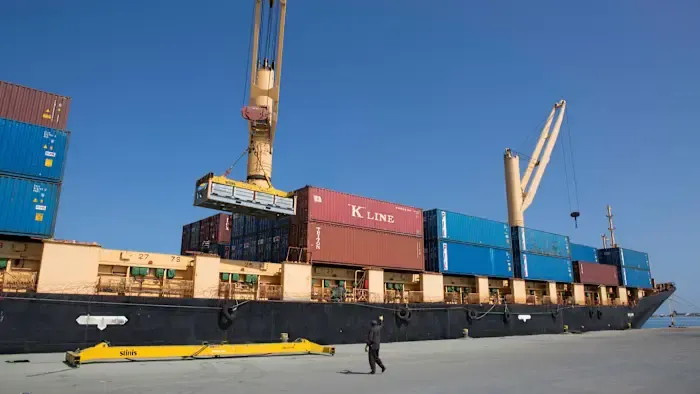
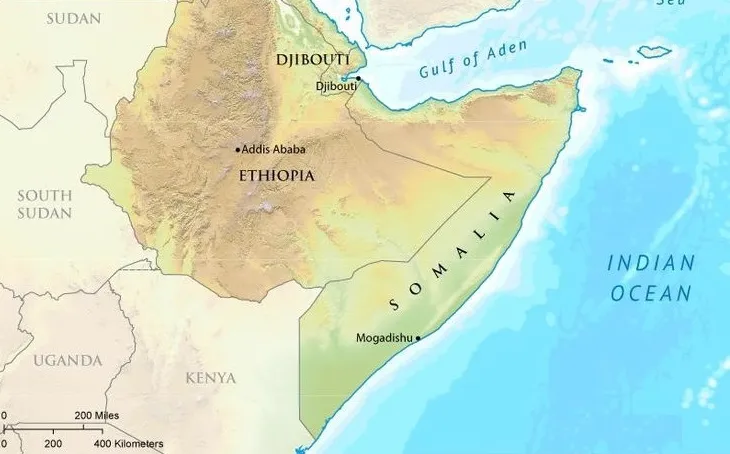
The Horn sits beside the Bab el-Mandeb strait, a chokepoint linking the Indian Ocean to the Mediterranean through the Red Sea. If conflict spread into these waters, shipping would slow, insurance costs would jump and fuel prices would rise. For countries dependent on imported energy and food, the consequences would be swift.
Djibouti would find itself at the center of events. Its ports and foreign military bases make it indispensable to naval operations in the Red Sea. In a full regional war, activity would intensify as global and regional powers seek to secure sea lanes. Yet increased militarization would heighten the risk of miscalculation and make the country more exposed to cyber threats and geopolitical friction.
For Ethiopia, the vulnerability is structural. Landlocked and reliant on Djibouti for the vast majority of its trade, it depends on the uninterrupted flow of goods through a narrow corridor. Higher shipping costs or temporary closures would inflate the price of fuel, fertilizer and wheat. Inflation could worsen, straining a society already navigating post-conflict recovery in Tigray and sensitive relations with Eritrea.
A prolonged disruption would compound these pressures. Foreign exchange reserves would be stretched as import bills swell. Industrial inputs could become scarce, dampening growth and complicating reconstruction efforts in northern Ethiopia. Domestic political tensions, if aggravated by economic hardship, might resurface in unpredictable ways.
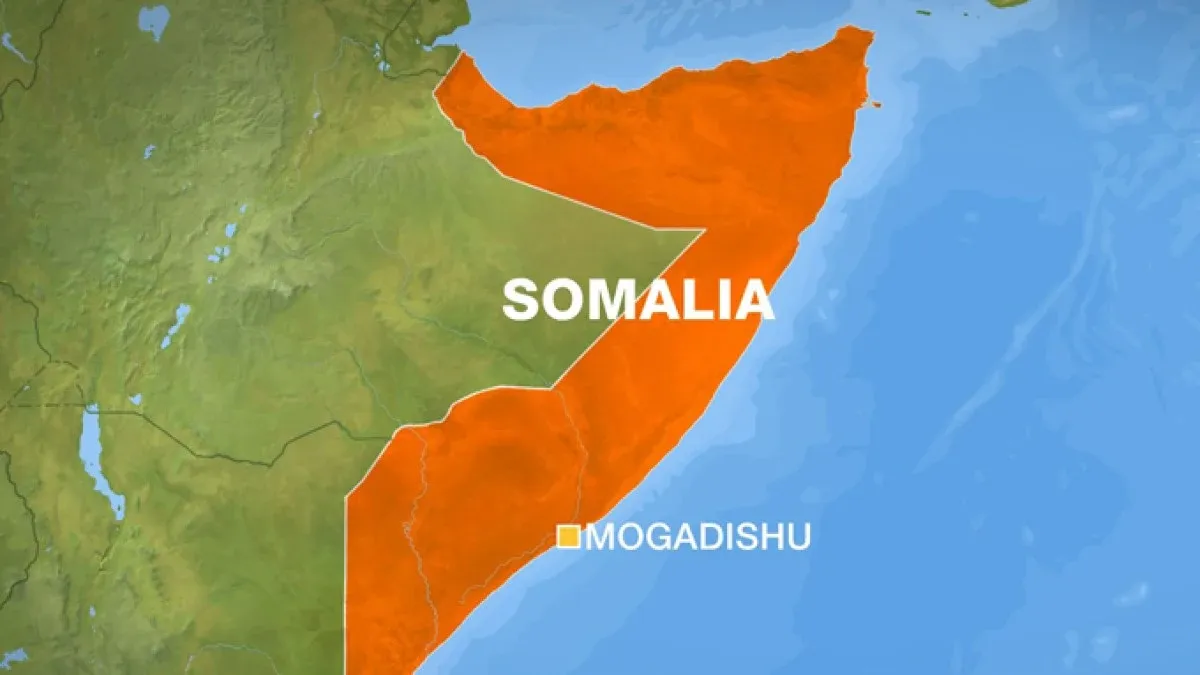
Somalia’s predicament is different but no less acute. Years of drought have deepened food insecurity, while federal institutions remain fragile. A hotter Red Sea would increase naval deployments and the likelihood of covert operations along the Gulf of Aden. Such an environment creates opportunities for arms trafficking and illicit trade, undermining already tenuous security gains.
External actors would inevitably shape the regional response. Saudi Arabia and the United Arab Emirates would prioritize protecting their own energy infrastructure and maritime routes, potentially expanding their security engagement along the Red Sea. Turkey, with established ties in Somalia, might deepen its support for local forces. Israel, if locked in sustained confrontation with Iran, would remain vigilant against threats across adjacent waters. The cumulative effect could intensify competition in a region ill-equipped to absorb it.
Energy markets would amplify every tremor. A sustained Gulf conflict would likely lift oil prices, raising transport and electricity costs across East Africa. Higher food prices would follow, compounding hardship in communities already facing climatic stress. Governments with limited fiscal space would struggle to cushion citizens without jeopardizing macroeconomic stability.
Financial contagion is another hazard. Investors often view the Red Sea basin as a single geopolitical theatre. Escalation in the Gulf could darken perceptions of the entire corridor, pushing up borrowing costs for Horn governments regardless of their neutrality. For economies reliant on external financing, such sentiment shifts can prove costly.
Yet vulnerability need not equate to helplessness. Djibouti can strengthen port security, enhance cyber defenses and maintain transparent protocols among foreign military forces to reduce the risk of accidents. Diversifying its economy beyond port revenues would also provide a buffer if commercial traffic declines.
Ethiopia’s preparation lies in diversification and reserves. Expanding alternative trade corridors, even incrementally, would lessen dependence on a single outlet. Building strategic fuel and grain stocks would buy time in moments of disruption. Sound foreign exchange management and export promotion would improve resilience against external shocks.
Somalia’s focus must remain institutional. Investing in coastguard capacity, improving intelligence co-ordination and insulating domestic politics from external rivalries would mitigate the security spillovers of a regional war. Strengthening drought response systems and pre-positioning humanitarian supplies would soften the blow of higher food and fuel costs.
Regional co-operation offers an additional hedge. Joint fuel procurement, shared storage facilities and dialogue mechanisms for Red Sea security could prevent panic and reduce duplication. Even modest collaboration can reassure markets and citizens that governments are acting collectively rather than reactively.
A Persian Gulf war would begin far from the Horn’s capitals, driven by calculations in Washington, Tehran and Jerusalem. But if it broadened into a regional conflagration, its shockwaves would travel quickly across sea lanes and markets. For a region already balancing economic fragility and political tension, the test would not be whether it can avoid exposure, but whether it has prepared to endure it.