Table of Contents
Africa is facing a moment of strategic truth. The question is no longer whether foreign rivalries are reaching the continent, but whether Africa will allow those rivalries to fracture its states. Somalia now sits at the center of this test. The recent recognition of Somaliland by Israel is not about Somali governance, clan politics, or internal reconciliation. It is about power projection, strategic positioning, and the export of Middle Eastern rivalries into Africa. Africa must respond by standing unequivocally with Somalia’s unity, territorial integrity, sovereignty, and security.
What is unfolding across the region follows a familiar and dangerous pattern. Libya has been torn apart by proxy warfare, its state hollowed out by competing foreign sponsors backing rival authorities. Sudan is descending into fragmentation as external actors fuel a war between the government and the Rapid Support Forces, turning a national crisis into a geopolitical contest. Yemen, across the Red Sea, has effectively been divided by years of proxy conflict, with foreign interests entrenching de facto partitions. Somalia is now being pulled into this same architecture of dismemberment.
These are not isolated crises. They are connected theaters of competition among middle powers exporting their conflicts beyond their borders. On one side stand actors such as Israel and the United Arab Emirates, increasingly willing to engage non-state actors and regional authorities to secure strategic footholds. On the other side are countries such as Saudi Arabia, Turkey, Qatar, and Egypt, which largely support existing state structures and formally recognized governments. This rivalry, born in the Middle East, is now being fought along Africa’s most sensitive maritime corridors.
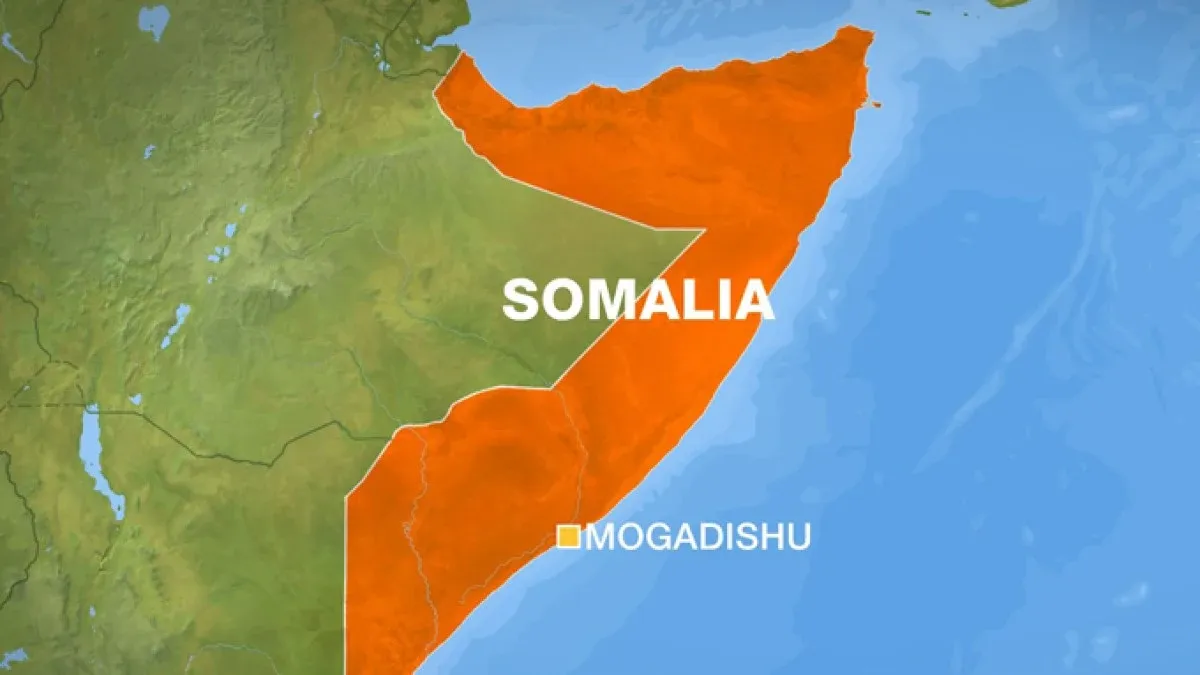
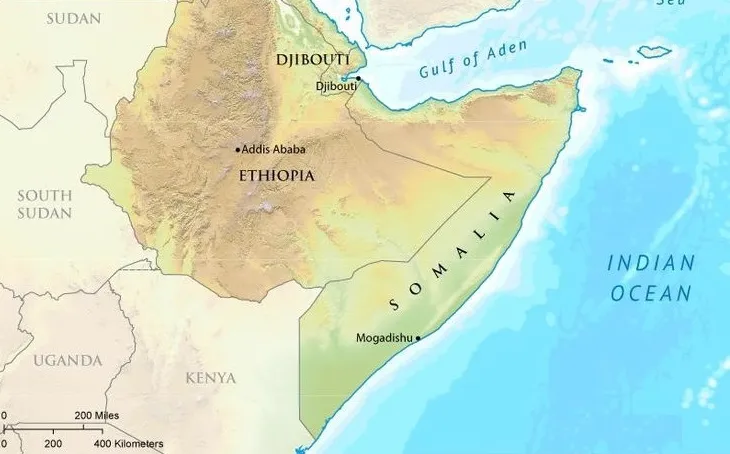
Somalia’s geography explains the intensity of this interest. The country lies astride the Bab el Mandeb, the Gulf of Aden, and the Red Sea, forming a strategic bridge toward the Suez Canal. Control, access, and influence along this route translate into leverage over global trade and security. For external powers, Somalia is not a fragile African state struggling with post-conflict recovery. It is a strategic prize.
Israel’s recognition of Somaliland must be understood in this context. It is not an act of diplomatic sympathy for a self declared region, nor a response to Somalia’s internal political disagreements. It is a calculated move to carve out influence along a critical maritime axis, aided by partners such as the UAE, which has already embedded itself in ports and security arrangements across the Horn of Africa. Recognizing a breakaway region weakens the Somali state and creates a dependent political entity aligned with external interests.
This is precisely why Africa must intervene politically and diplomatically. The African Union Charter is unambiguous. It commits member states to respect sovereignty, territorial integrity, and existing borders. These principles were adopted not because borders were perfect, but because violating them would be catastrophic. Once external recognition is used to legitimize fragmentation, no African state is safe.
Somalia’s internal challenges are real, but they are not unique. Disagreements between federal authorities and regions exist across Africa. Clan politics, contested governance, and uneven development are common features of post-colonial states. What makes Somalia’s case different today is not its internal divisions, but the willingness of external powers to weaponize those divisions for strategic gain.
Allowing this to proceed would normalize a dangerous model. Foreign actors identify a vulnerable region, cultivate local elites, provide political or economic backing, and then seek international recognition to formalize influence. Libya showed how proxies can destroy a state. Sudan is showing how quickly internal conflict becomes regionalized. Yemen demonstrates how strategic waterways attract endless intervention. Somalia is now being placed on this same conveyor belt.
Africa cannot afford neutrality on this question. Silence would amount to consent. Standing with Somalia means rejecting recognition of non-state entities, reaffirming Somalia’s status as a sovereign and indivisible state, and resisting all attempts to redraw African political maps through external pressure. It also means confronting the reality that Middle Eastern rivalries are being deliberately transferred onto African soil.
This is not Somalia’s conflict. It is not a Somali-made crisis. It is a geopolitical intrusion into Africa’s most fragile regions. The recognition of Somaliland is not about peace or self-determination. It is about control of maritime routes, expansion of influence, and strategic competition played out at Africa’s expense.
Africa must draw a clear line. Somalia’s unity is non-negotiable. Its territorial integrity must be defended. Its sovereignty must be respected. If Africa fails to act now, Somalia will not be the last state tested in this way. Defending Somalia today is how Africa defends itself tomorrow.