Table of Contents
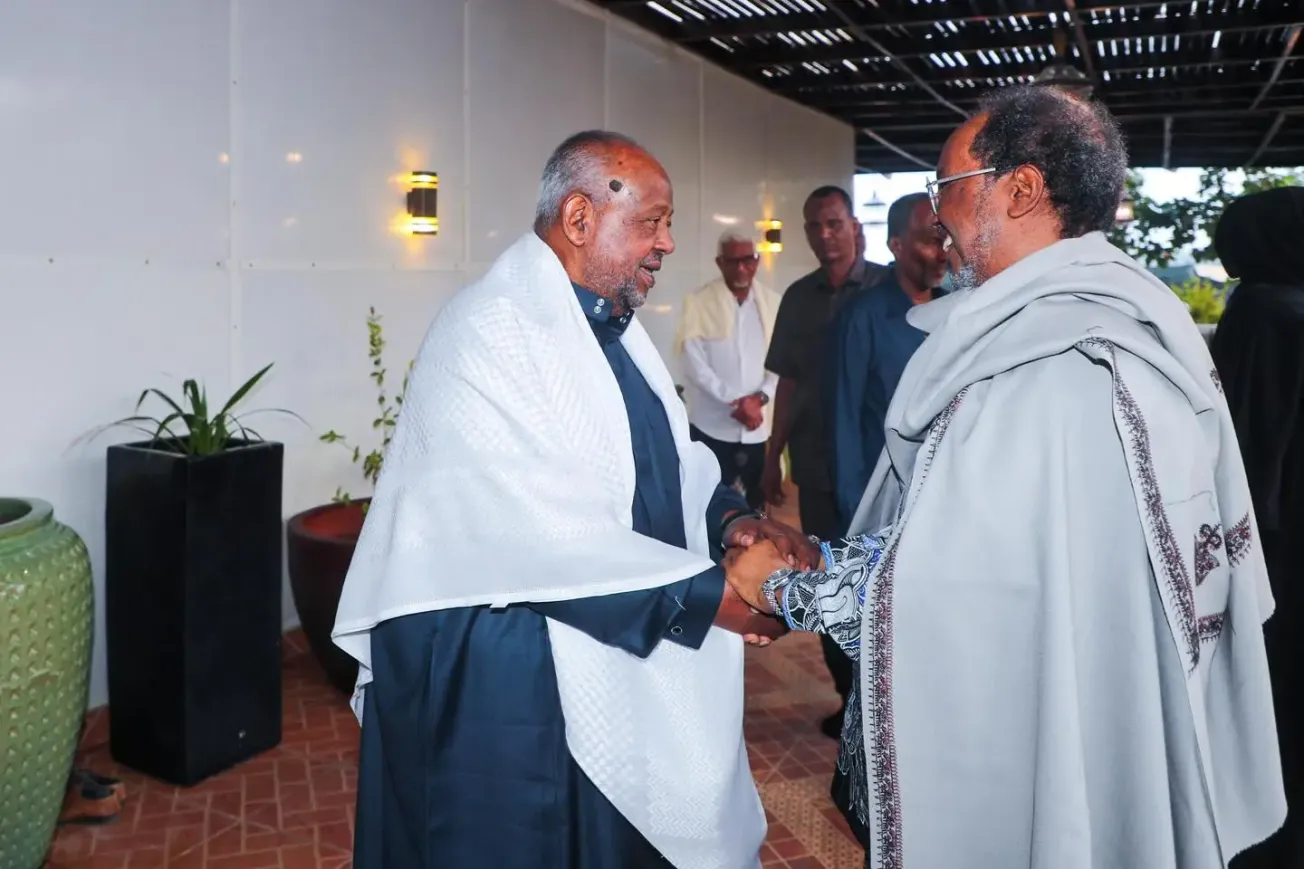
As Somalia enters another tense political moment, an old regional mediator is stepping forward once again. President Ismail Omar Guelleh has invited to Djibouti City, the president of Somalia, President Hassan Sheikh Mohamud for talks that may shape how Somalia navigates its latest constitutional and electoral dispute. The meeting comes as Somalia approaches a national election scheduled for May 15, 2026 while its political class remains divided over recent constitutional changes and the rules governing the vote.
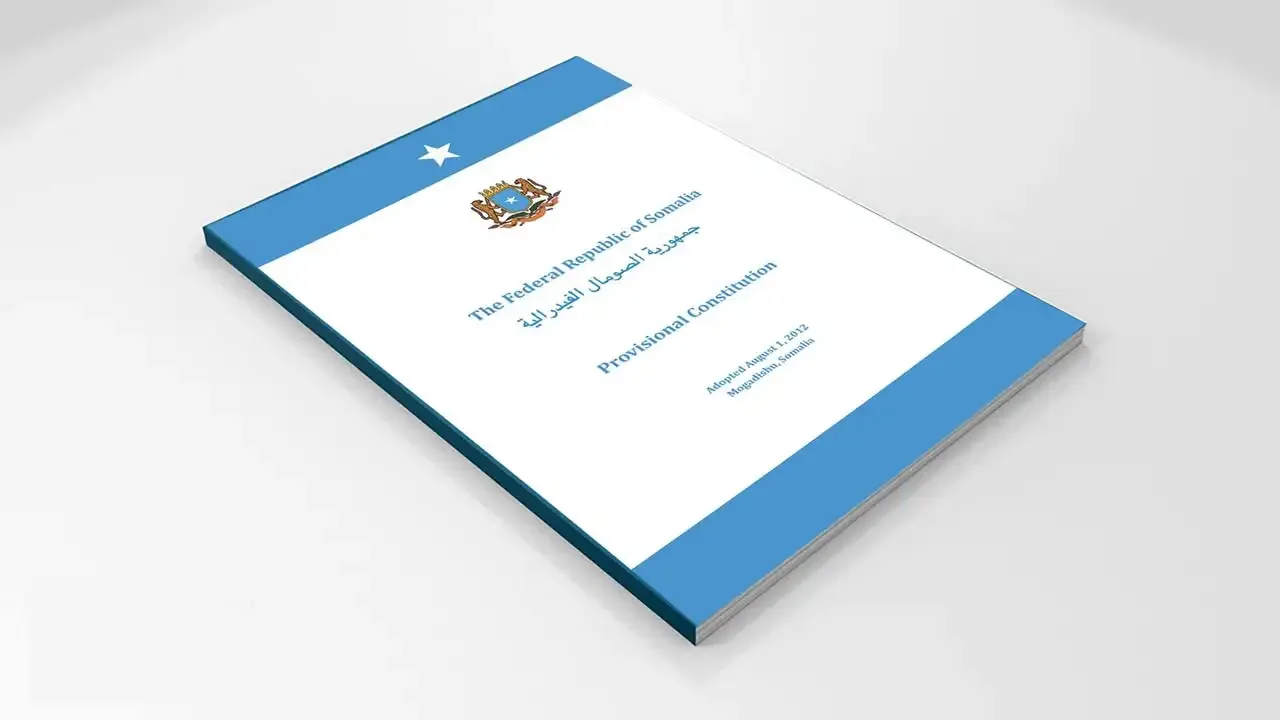
The dispute has emerged after amendments to the Provisional Constitution of Somalia were pushed through Somalia’s parliament with the support of the federal government. Opposition figures and some federal member states argue that the revisions were adopted without sufficient consensus. They insist that the country should continue operating under the earlier provisions of the provisional constitution. The disagreement has left Somalia with competing interpretations of its constitutional framework at precisely the moment when it must organize a national election.
That is the backdrop to the meeting in Djibouti. President Guelleh has invited Somalia’s leader to discuss the dispute and explore whether Djibouti can help ease tensions between the federal government, opposition groups and regional authorities. For Guelleh the effort would not be unfamiliar. More than two decades ago he attempted a similar intervention when Somalia’s political landscape was even more fragmented.
In 2000, Djibouti hosted the Arta Conference, an ambitious attempt to bring together Somali factions after years of civil conflict and state collapse. At the time, many international observers doubted that Djibouti could successfully convene such negotiations. Some foreign governments were skeptical that the small Red Sea state had the diplomatic weight to bring Somalia’s competing factions together.
Guelleh nevertheless pushed ahead. He spent months persuading regional governments and international partners to give the initiative a chance. The United States and several other countries eventually allowed the conference to proceed, though expectations remained cautious. Djibouti positioned itself as a neutral host willing to provide Somali leaders a venue for dialogue at a time when few others were attempting mediation.
The conference itself did not resolve Somalia’s political fragmentation overnight. Yet it produced a breakthrough that altered the trajectory of Somali politics. Delegates in Arta agreed to establish a transitional government, marking the first internationally recognized Somali administration since the collapse of the central state in 1991.
Over the following years the framework that emerged from Arta developed into the institutions that govern Somalia today. The process contributed to the formation of the Transitional Federal Government in 2004 and later to the adoption of the Provisional Constitution of Somalia in 2012. Somalia is at another political crossroads, and President Guelle is once again attempting to mediate as the rest of the international community pursues a quieter diplomacy.
The current dispute in Somalia, however, presents a different set of challenges. Unlike the fractured landscape of the early 2000s, Somalia today has functioning federal institutions, regional administrations, and an established constitutional foundation. The disagreement is therefore not about rebuilding a state from collapse but about how that state should operate.
The immediate concern is the approaching election. Somalia’s political actors must decide which constitutional provisions will govern the vote and how to ensure that the results are accepted as legitimate. If rival factions insist on different constitutional interpretations, the election could become another source of political tension rather than a mechanism for resolving it.
That is where Djibouti’s president may attempt to play a role. Guelleh cannot impose a solution on Somalia’s political leaders. Yet he may be able to provide a diplomatic space where they can discuss the dispute away from the pressures of day to day political squabbles. His earlier experience hosting Somali negotiations gives him credibility with many actors who remember Djibouti’s role in earlier peace efforts.
Whether such mediation succeeds will depend largely on the willingness of Somali leaders themselves and how much President Guelle involves all sides. The constitutional disagreement reflects deeper tensions about federal authority, regional autonomy, and political legitimacy. Those questions cannot be resolved solely through external mediation, but President Guelle may attempt to serve as a process advocate, helping the parties cross the election hurdle.
Still, Guelleh’s intervention reflects a recognition that Somalia’s political disputes often require patient negotiation rather than confrontation. The Arta conference two decades ago showed that even modest diplomatic initiatives can have lasting consequences if they provide Somali leaders an opportunity to reach an agreement among themselves.
As President Guelleh hosts President Mohamud in Djibouti, the stakes are high once again. Somalia must organize a credible election while managing disagreements over its constitutional framework. The sisterly Red Sea state that once hosted the first major attempt at Somali political reconciliation may now be trying to play a similar role at another uncertain moment in Somalia’s political journey.