Table of Contents
The decision by Benjamin Netanyahu to recognize Somaliland as an independent state is not merely a diplomatic provocation. It is a reckless intervention in one of the world’s most fragile regions, one that risks setting off a chain reaction far beyond the borders of Somalia. In the Horn of Africa, where borders are contested, institutions are weak and armed groups thrive in the cracks of state authority, symbolism matters. Recognition is not a neutral act. It confers legitimacy, rearranges incentives and invites conflict.
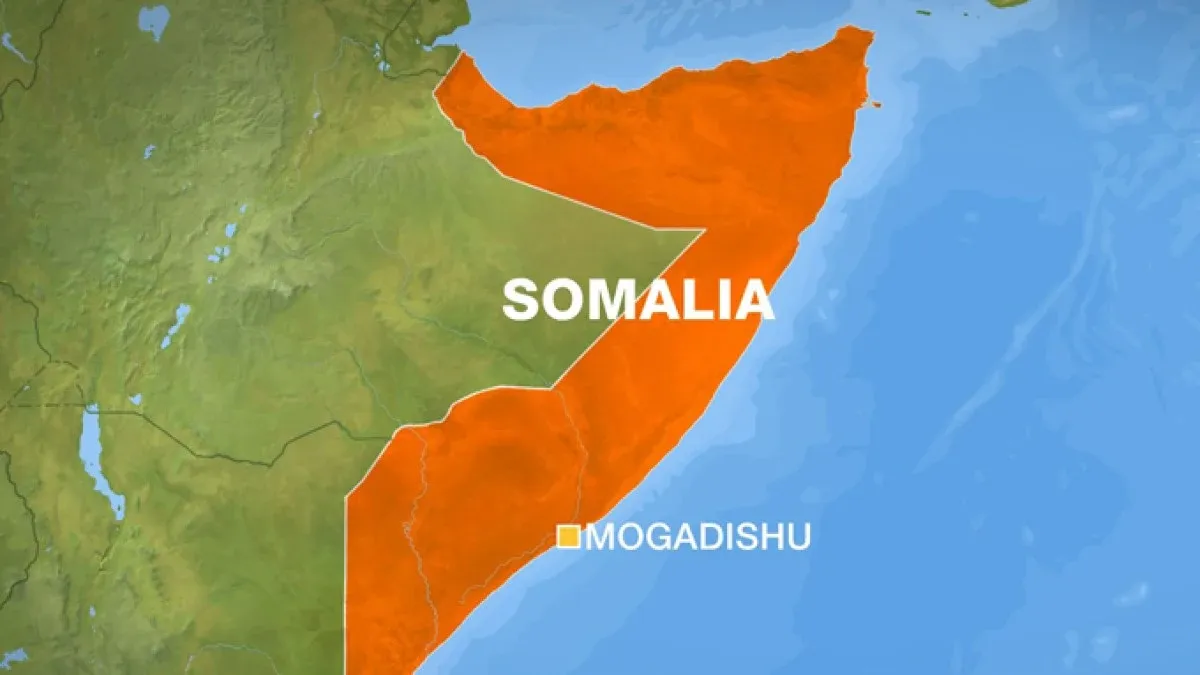
Somalia today remains a country struggling to consolidate its statehood after decades of civil war. Its federal government exerts uneven control over territory, while extremist groups linked to both al-Qaeda and Islamic State continue to operate across the country. The north is not insulated from these threats. Somaliland, often praised for relative stability, faces its own unresolved internal fissures, including clan rivalries and contested authority in its eastern and western regions. To pretend that the recognition of Somaliland is a tidy legal act rather than a geopolitical gamble is to misunderstand the region entirely.
International law is clear on the matter. Somalia is a recognized sovereign state, a member of the United Nations, the African Union, the Arab League and other multilateral bodies. Its territorial integrity is guaranteed under the UN Charter and reinforced by the African Union’s foundational principle against the redrawing of borders inherited at independence. Israel’s unilateral recognition of a breakaway region violates both the spirit and the letter of these commitments. It also undermines Africa’s hard-won consensus that stability depends on resisting secessionist temptations, however locally persuasive they may appear.
The precedent is a dangerous one. If Somaliland’s claim is validated without the consent of the parent state, why not others? From Ethiopia to Nigeria, from Cameroon to the Democratic Republic of Congo, Africa is dotted with regions that harbor grievances and aspirations for autonomy or independence. Many of these disputes are currently contained by fragile political bargains. External recognition of secessionist entities risks turning political disagreements into armed confrontations. In that sense, the consequences of Israel’s decision extend well beyond Somalia.
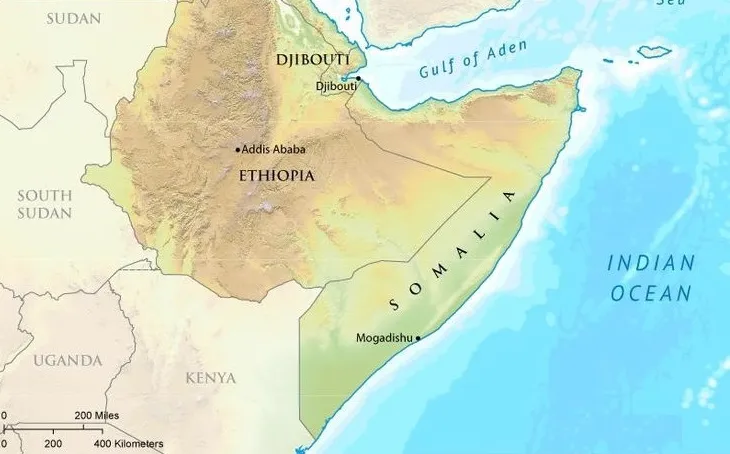
The timing could hardly be worse. The Horn of Africa and the Red Sea corridor are already under severe strain. Conflict in Sudan, instability in Yemen and rising great-power competition have turned the Red Sea and the Gulf of Aden into strategic flashpoints. According to security officials, militant groups operating in Somalia are increasingly coordinating with actors across the water, including Yemen’s Houthi movement. Introducing a new diplomatic rupture into this environment is akin to pouring fuel on a smoldering fire. It invites retaliation, proxy struggles and maritime insecurity that will affect global trade as well as regional peace.
Even on its own terms, the recognition rests on shaky foundations. Somaliland does not exercise effective control over all the territory it claims. In the west, clan conflicts challenge its authority. In the east, areas that were once administered from Hargeisa have aligned themselves with Somalia’s federal system and declared their own self-governing arrangements. Statehood in international practice is not merely about declarations and elections, but about sustained control, internal legitimacy and negotiated consent. Somaliland’s case, however sympathetic some may find it, remains incomplete.
For Somalia, the implications are stark but not hopeless. Mogadishu has both legal and diplomatic tools at its disposal. It can and should mobilize its membership in international and regional organizations to reaffirm the principle of territorial integrity. A coordinated diplomatic campaign at the UN, the African Union, the Organization of Islamic Cooperation and the Arab League can isolate Israel’s position and discourage others from following suit. Crucially, Somalia must frame its argument not as a parochial grievance but as a defense of international order itself.
At home, Somalia must accelerate the slow and painful work of state-building. A stronger federal system, clearer power-sharing arrangements and inclusive dialogue with communities in the north would undercut the appeal of unilateral recognition from abroad. Unity cannot be imposed, but it can be made more attractive through credible governance, economic integration and political compromise. Somaliland’s grievances are real, but they cannot be resolved by external fiat.
There is also a deeper irony at play. Israel has long argued, with justification, that statehood should emerge from negotiated settlements rather than unilateral declarations. If it wishes to demonstrate consistency and moral authority, it would do better to advance the two-state solution that much of the world demands, rather than dismembering an African country with no direct bearing on its own security. Supporting negotiated outcomes at home while endorsing fragmentation abroad weakens Israel’s diplomatic standing and invites charges of double standards.
In the end, recognition of Somaliland is not a gesture of solidarity with democracy or self-determination. It is a destabilizing act that ignores regional realities, undermines international norms and risks igniting new conflicts in an already volatile neighborhood. Somalia’s unity, sovereignty and territorial integrity are not bargaining chips. They are cornerstones of African stability and international peace. Undermining them is a gamble the world can ill afford.