Table of Contents
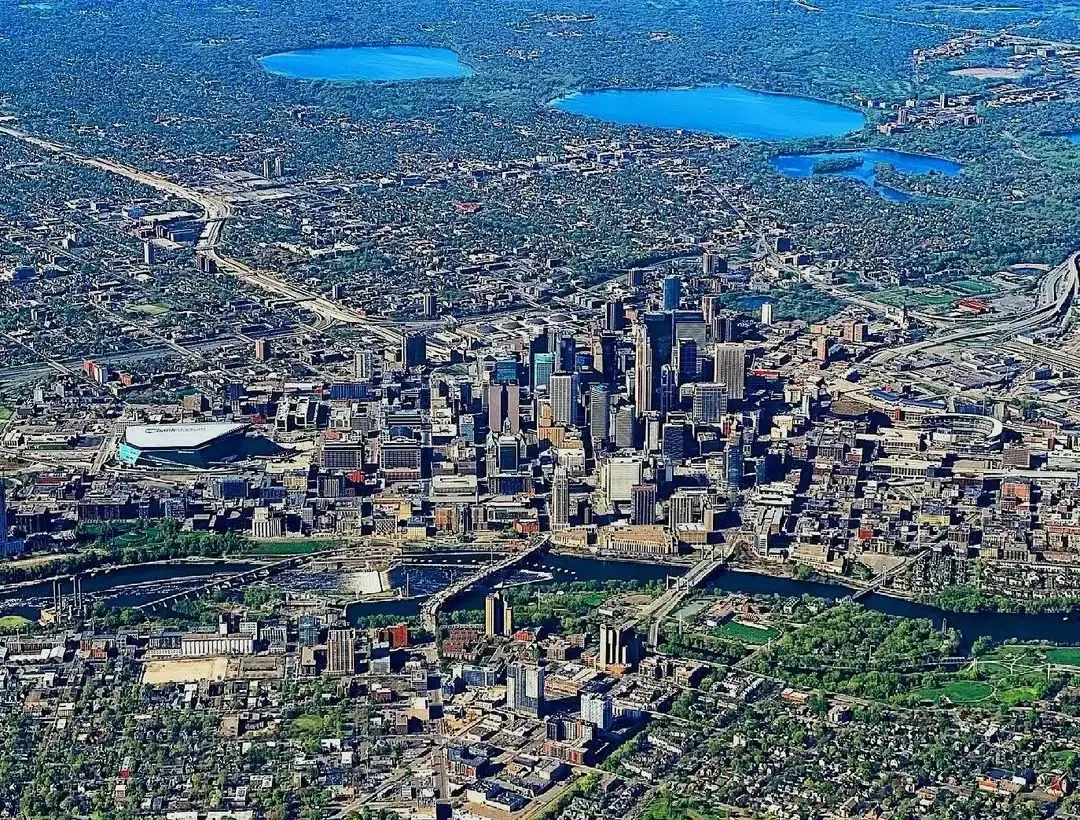
For three decades Minnesota has been home to the largest Somali community in America, a diaspora that arrived with little more than resilience and an appetite for work. Today its members are doctors, engineers, teachers, entrepreneurs and elected officials. They contribute hundreds of millions of dollars in annual income to the state and anchor industries facing chronic labor shortages. Yet despite this record, they are still the subject of political caricature and suspicion. The gap between perception and reality has rarely been wider.
The first large wave of Somali refugees reached Minnesota in the early 1990s, fleeing civil war and state collapse. They settled largely in the Twin Cities, drawn by the promise of entry-level work, affordable housing and a reputation for welcoming newcomers. Over 30 years the community has grown to more than 100,000 people, the vast majority now citizens or U.S.-born. Their presence is not temporary but deeply rooted, stitched into Minnesota’s social and economic fabric.
Economists estimate that Somali Minnesotans generate at least half a billion dollars in income annually and pay tens of millions in state and local taxes. They are indispensable in sectors ranging from health care to transportation. Somali clinicians operate medical practices in Minneapolis and St. Cloud; Somali nurses and home-health aides support an ageing population; Somali technicians and operators help keep food-manufacturing plants running. Remove these workers from the labor force and parts of the state’s economy would stall overnight.
Their entrepreneurial vigor is equally striking. Somali-owned shops, restaurants and service firms now dot Minneapolis, St. Paul and communities beyond. A survey in the early 2000s counted hundreds of Somali-managed businesses, and the ecosystem has only expanded. Trucking, a field with low barriers to entry but high risk, has become a signature industry: Somali entrepreneurs own fleets of trucks, and many former refugees have become long-haul drivers criss-crossing the continent. At a time when America suffers a chronic driver shortage, this immigrant enterprise has become a critical asset.
Community institutions, too, have flourished. Somali-led nonprofits deliver social services, after-school programs, employment training and parent engagement. These organizations do more than assist newcomers; they employ staff, form civic infrastructure and strengthen ties between neighborhoods and public agencies. In Cedar-Riverside, a dense immigrant enclave in Minneapolis, Somali organizations have worked alongside law enforcement and housing managers to improve safety, mentor young people and build trust. Crime trends remain complex, but the contribution of Somali leadership to community stability is indisputable.
Education has produced its own milestones. Minnesota’s Teacher of the Year in 2020 was a Somali educator, and Somali principals now lead public schools in the Twin Cities. University classrooms increasingly include Somali undergraduates studying engineering, nursing, computer science and business. Gaps in educational attainment remain, unsurprising for a refugee population that began with limited formal schooling, but the trajectory is one of steady upward mobility, particularly among U.S.-born youth.
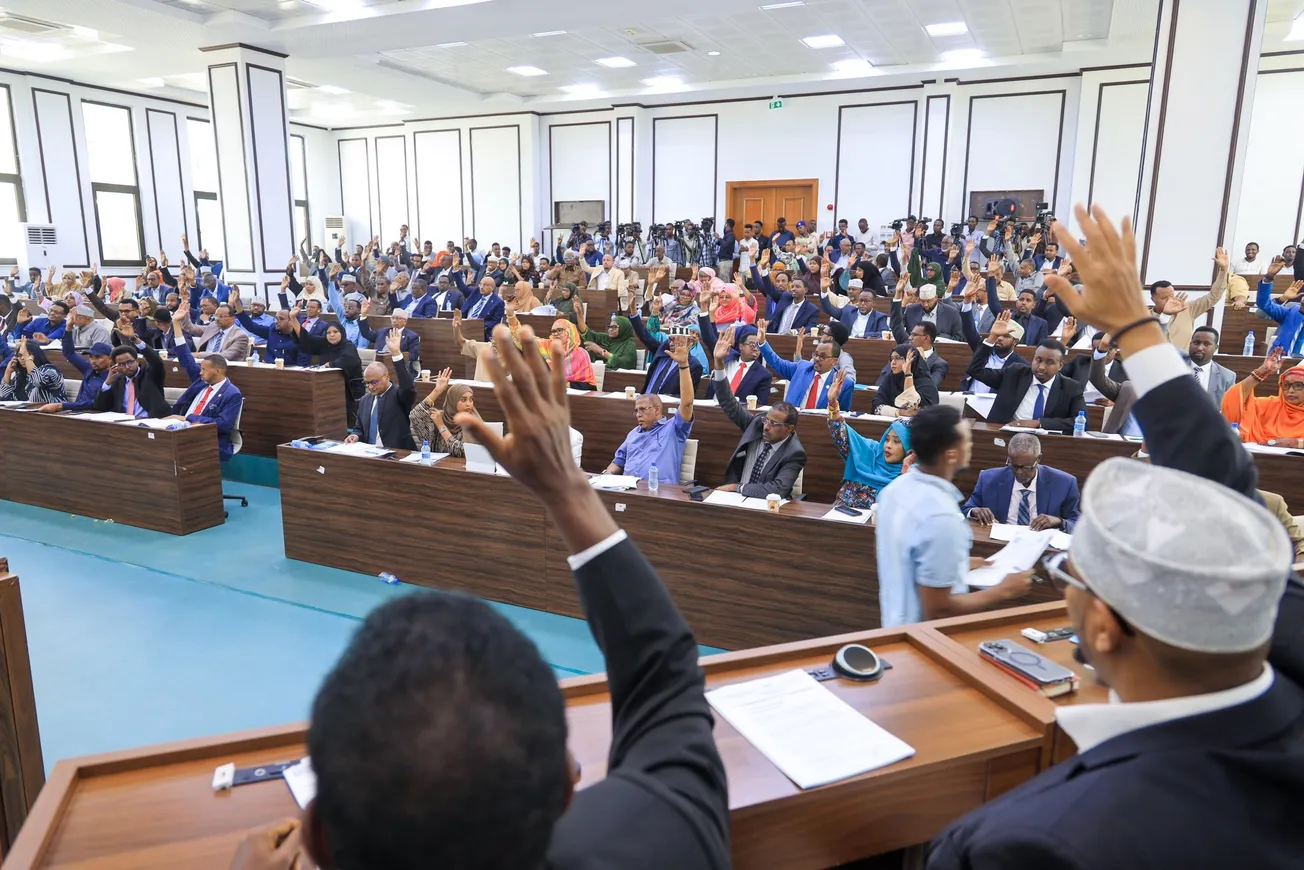
Political participation, meanwhile, has evolved from tentative engagement to formidable organizing power. Somali Minnesotans vote in high numbers, knock on doors and have transformed themselves into a disciplined electorate that candidates court rather than ignore. The state now counts Somali Americans in city councils, the legislature, school boards and executive roles. One Somali American chairs the board of a major hospital system; another has become a state senator. In a nation anxious about democratic decline, this level of civic investment should be celebrated.
Given this record, the persistent negative narratives about Somali Minnesotans reveal more about America’s anxieties than about the community itself. Critics cast immigrants as burdens, yet the data describe a workforce that fills crucial shortages and an entrepreneurial class that creates jobs. They accuse Somalis of resisting integration, yet the community is deeply embedded in public institutions, from schools and clinics to municipal government. They blame Somali neighborhoods for crime, yet Somali leaders have been instrumental in improving safety and building constructive partnerships with police.
The more subtle truth is that integration is a two-way street. Somali Minnesotans have adapted rapidly, but the state has also learned from them: new languages in public schools, new cuisines in commercial corridors and new talent in city leadership. Their presence has catalyzed political coalitions, rejuvenated ageing districts and contributed to the state’s reputation for civic vibrancy. Minnesota is better for it.
America has long prided itself on being a land where newcomers can rebuild their lives and enrich the society they join. Somali Minnesotans represent this promise in its clearest form: a refugee community that, within a generation, has become a pillar of local industry, politics and culture. To dwell on myths of dysfunction is to ignore a remarkable story of success. Minnesota’s future, like its recent past, will be shaped in no small part by the contributions of its Somali citizens—productive, resilient and here to stay.