Table of Contents
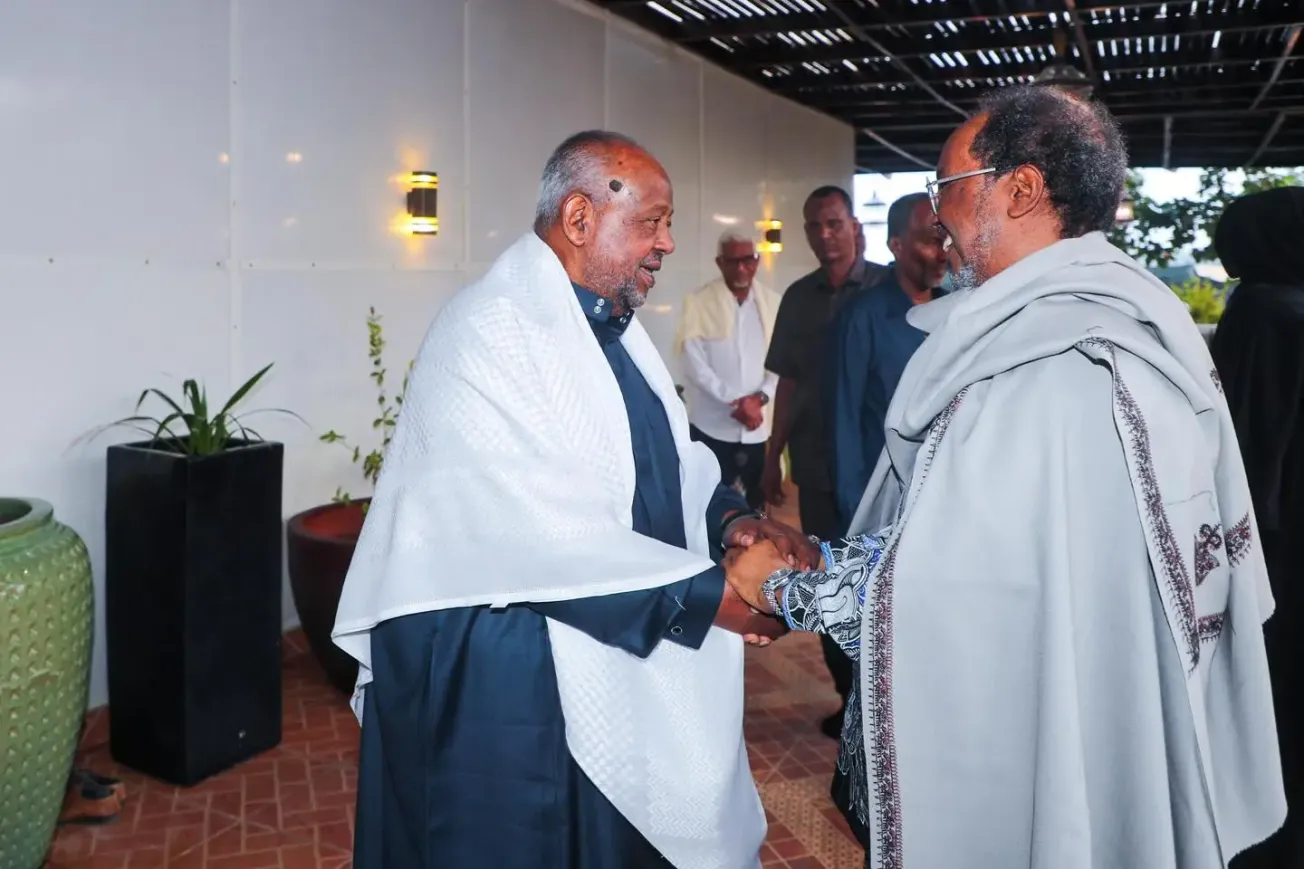
Somalia’s opposition is convening this week in the port city of Kismayo at a moment when the country’s political trajectory remains unsettled. The meeting brings together a diverse collection of actors, including federal member state leaders, former presidents and prime ministers, and a growing field of presidential hopefuls. They are united less by a common program than by a shared unease about the federal government’s approach to elections expected next year.
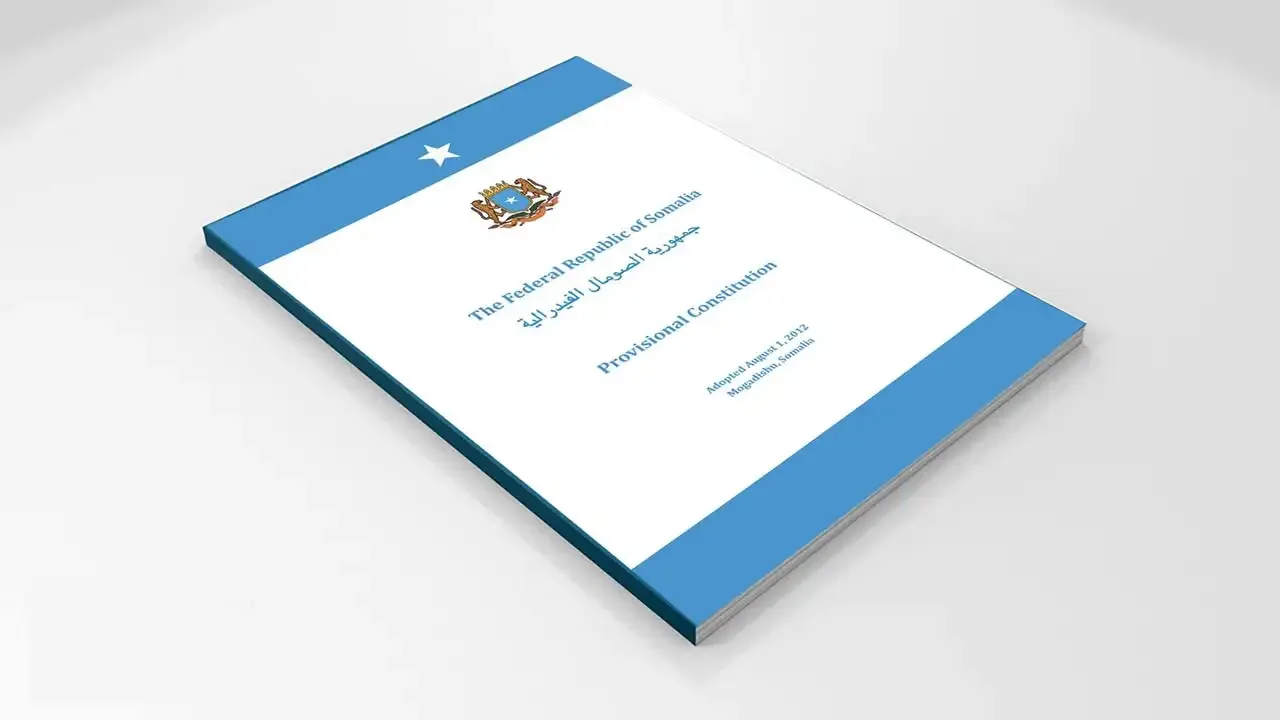
In theory, the timing could hardly be more consequential. Somalia faces unresolved constitutional amendments, lingering questions over the independence and authority of the electoral commission, and a fundamental dispute about the election model itself. The government is pushing for a one person, one vote system after two decades of indirect elections. Whether the country’s security, institutions, and political consensus are ready for such a shift remains hotly contested.
On these matters, the federal government’s position is strikingly clear. It insists that elections should be held on schedule, conducted on the basis of universal suffrage, and overseen by institutions it considers legitimate. It also claims to be open to dialogue with opponents, provided that discussions do not derail the process. This clarity has political value. It allows the government to project confidence and places the burden on the opposition to offer something more than rejection.
That burden is heavy. Despite its breadth, the opposition remains fragmented. Its members differ in regional interests, personal ambitions, and assessments of risk. Some fear exclusion from a hastily organized one person, one vote election. Others worry that constitutional changes are being pushed through without adequate consensus. Yet there is little agreement on what should replace the government’s plan, or even whether replacement is the goal.
This raises a deeper problem. Somali politics remains dominated by elites, but public expectations are changing. Many citizens, particularly in urban areas, want predictable governance, peaceful transitions, and an end to prolonged political standoffs. The question hanging over Kismayo is whether the opposition can speak to those aspirations, or whether it will merely speak to itself.
Three outcomes are plausible.
The first, and most likely, is that the meeting produces a familiar communique. It would reaffirm opposition to recent constitutional changes, question the legitimacy of the electoral commission, call for more inclusive dialogue, and no term extension. Such a statement would consolidate existing positions without altering the balance of power. It would signal unity, but offer no new leverage. For the government, it would be easy to ignore.
The second outcome is more substantive, though harder to achieve. The opposition could agree on a limited set of demands and red lines, and appoint a small negotiating team empowered to speak on its behalf. This might include conditional acceptance of a one person, one vote election, paired with safeguards such as phased implementation, clearer security benchmarks, or reforms to electoral oversight. Such coordination would not resolve all disputes, but it would force the government into genuine negotiation rather than rhetorical engagement.
The third outcome is the least likely, but potentially transformative. The opposition could present a coherent alternative roadmap that addresses election sequencing, transitional constitutional arrangements, and mechanisms for building. Crucially, it would frame these proposals in terms of national stability and voter inclusion, rather than elite power sharing. This would shift the debate from personalities to process, and from obstruction to legitimacy.
For this to happen, the opposition would need to overcome its most persistent weakness. Somali political coalitions are often good at blocking initiatives, but poor at governing or proposing alternatives. Without a shared minimum program, unity becomes performative rather than productive.
The government, for its part, cannot afford complacency. Pushing through its ambitious reforms without broad buy in risks undermining the very legitimacy that one person, one vote elections are meant to confer. Government’s offer of dialogue that feels procedural rather than substantive may deepen mistrust rather than resolve it.
Yet the immediate test lies with those gathered in Kismayo. If they focus on personal grievances, succession politics, or tactical obstruction, the conference will be remembered as another elite gathering that mistook visibility for influence. If, however, they can articulate realistic compromises and speak to public concerns about stability and inclusion, they may yet shape the terms of Somalia’s next political chapter.
For now, expectations remain modest. Somalia has seen many conferences and communiques. What it has seen less often is an opposition willing to trade maximalist positions for workable solutions. Whether Kismayo marks a break from that tradition will soon become clear.