Table of Contents
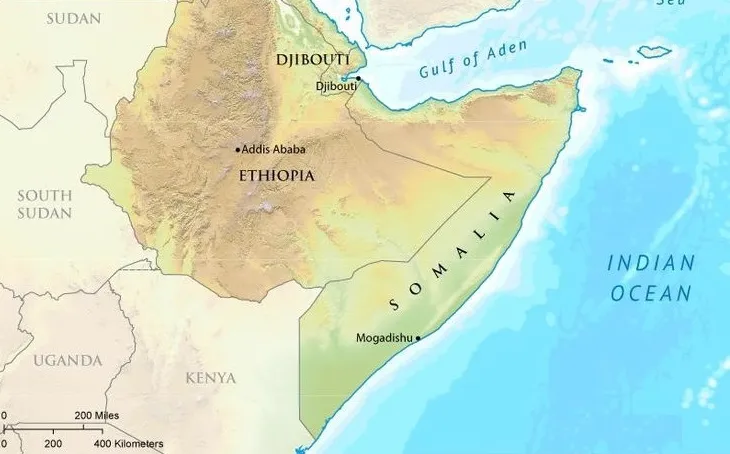
Precedents like the recent Israeli attempt to partition Somalia often assume that Ethiopia would acquiesce and follow suit. That assumption is misplaced. For Addis Ababa, a divided Somalia would not be a diplomatic convenience but a strategic mistake. Ethiopia’s interests, from regional influence to internal cohesion, point firmly toward preserving Somalia’s territorial integrity and unity.
First, Somalia today functions as a frontline buffer against extremist violence. Its forces are engaged in costly campaigns against ISIS in the north and Al Shabaab in the south. This struggle serves not only Somalia but the wider region and global security. A political rupture would distract from security priorities and risk creating ungoverned spaces that militant groups could exploit.
Second, Ethiopia’s own internal politics make it wary of legitimizing secession elsewhere. Several of its regions harbor grievances that could, under the wrong conditions, evolve into demands for independence. Endorsing the breakup of a neighbor would weaken Addis Ababa’s ability to argue for unity at home and set an uncomfortable precedent.
Third, the Somali population within Ethiopia matters greatly. Many ethnic Somalis in Ethiopia feel deep cultural and emotional ties to a united Somalia. The dismemberment of that state would likely provoke anger and resentment, regardless of the stance taken by regional authorities in Jigjiga. Managing such sentiment would be costly and politically risky for the federal government.
Fourth, Somalia retains influence in multilateral institutions that Ethiopia values. These organizations are built on charters that emphasize sovereignty and territorial integrity. Recognition of a breakaway Somali state would place Ethiopia in violation of principles it has long defended, exposing it to diplomatic pressure and reputational damage within the same forums it relies upon.
Fifth, there is the specter of retaliation. In a possible scenario, Somalia could respond by supporting dissenting groups inside Ethiopia, reviving a dangerous pattern from the Cold War era when both countries hosted insurgents against each other. Such proxy conflicts would destabilize the Horn of Africa and undermine decades of cautious rapprochement.
Sixth, security cooperation would suffer. Ethiopia plays a role in stabilization efforts inside Somalia, contributing troops and resources to joint missions such as the Africa Union Support and Stabilization Mission in Somalia and border security arrangements. A political rupture would weaken coordination, reduce trust, and leave gaps that neither side could easily fill, to the benefit of armed groups.
Seventh, the religious dimension cannot be ignored. Many Muslim communities in the region might interpret an Israeli-led breakup of Somalia as an externally driven project, with Ethiopia seen as complicit. In a country with a substantial Muslim population, such perceptions could inflame communal tensions and complicate Ethiopia’s delicate social balance.
Eighth, recognition of secession would breach continental norms. The African Union was designed to discourage the redrawing of borders inherited at independence. Violating this principle would open a Pandora’s box, emboldening secessionist movements across Africa and weakening an already fragile consensus on statehood.
Ninth, Ethiopia would risk alienating key partners. Several influential countries oppose both external interference in the Red Sea region and the fragmentation of Somalia. Diplomatic fallout, economic pressure, or quiet distancing by allies would impose real costs. For Ethiopia, the price of endorsing Somalia’s breakup would far exceed any short term gain.
Finally, Ethiopia has little appetite for the emergence of two fully recognized Somali states at the United Nations. A fragmented neighbor would dilute Ethiopia’s influence in the Horn of Africa and complicate its claim to regional leadership. A single Somali state is easier to manage than multiple sisterly sovereign actors in the Horn of Africa.
Taken together, these factors explain why Ethiopia’s interests align not with partition but with support for Somalia’s unity. Stability, influence, and internal coherence all argue against opening a door that might never be closed.