Table of Contents
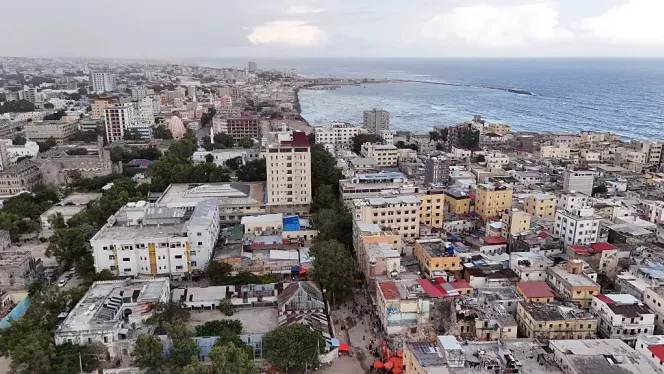
Mogadishu has changed more in the past decade than many of its critics acknowledge. Once synonymous with factional warfare and political violence, the city has become the center of Somalia's economic recovery, institutional rebuilding, and social transformation.
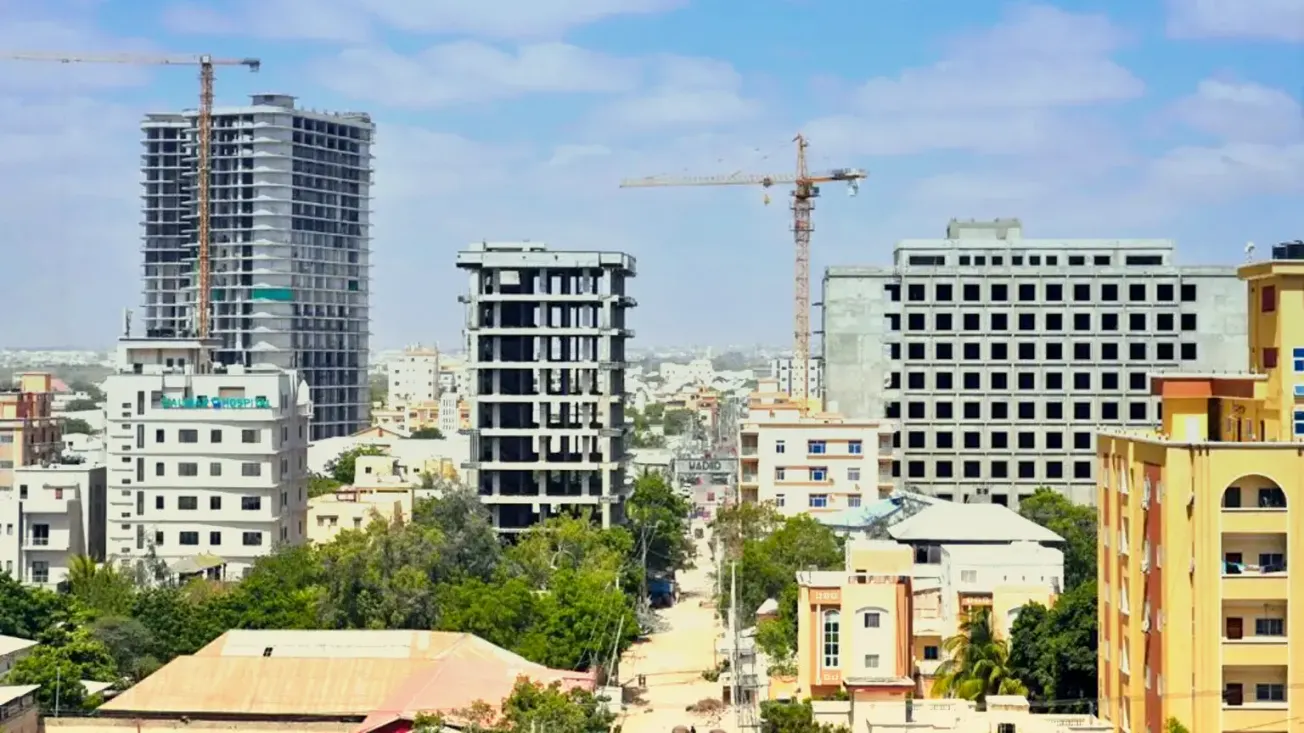
The change is visible in concrete terms. New businesses, hotels, universities, residential developments, and commercial centers have emerged across the capital. Somalia has secured billions in debt relief, re-established relations with international financial institutions, improved public financial management systems, and attracted growing private investment.
That reality helps explain why political violence has become increasingly disconnected from public sentiment. For decades, power in Somalia was often determined by armed strength. Political disputes were settled through force, and the capital became the stage upon which rival actors competed for control. Those methods inflicted immense damage on the city and its people.
Today's Mogadishu is different. Millions of residents have invested their futures in stability. Property owners, entrepreneurs, students, professionals, transport operators, and small business owners understand that peace and security is not an abstract concept. It is the foundation upon which their livelihoods depend.
The strongest evidence of this shift is not found in government communiqués or donor reports. It is found in the behavior of ordinary citizens during the last few days of political tension.
When recent disagreements threatened to inflame public passions, many residents refused to be drawn into confrontation. Traditional elders, religious leaders, community figures, and business leaders actively engaged different political actors and called for restraint. Their message was clear and directed at both the government and the opposition. Whatever the disagreement, the city’s stability and overall security should not become the casualty.
Young people delivered an equally important verdict. Somalia's population is overwhelmingly young estimated at over 75 percent, and Mogadishu reflects that reality. This generation is more interested in education, employment, technology, business, and opportunity than in political mobilization through force. Attempts to incite confrontation largely failed because many young people simply refused to participate. They recognized that renewed instability would destroy the very opportunities they seek to build.
The response was notable not for dramatic acts of resistance but for quiet restraint. Businesses remained open. Families continued their routines. Civil society organizations urged dialogue. And even the “bajaj” (three-wheeled auto-rickshaw) taxi stayed on the road in most parts of the city. The public largely rejected the notion that political competition should be resolved through intimidation or violence.
This matters because political violence ultimately depends on public acquiescence. It requires recruits, sympathizers, financiers, and communities willing to tolerate disruption in pursuit of political objectives. Increasingly, today’s Mogadishu offers none of these conditions and has no appetite for it.
That does not mean political disagreements have disappeared. Somalia continues to face serious disputes over the constitutional arrangements the upcoming elections. Such disagreements are normal in any political system. What has changed is the public's tolerance for settling them through force.
Neither the government nor the opposition should assume that violence, or the threat of violence, can improve their political position. In the short term, such tactics may generate headlines or create temporary leverage. In the longer term, it is more like the people of Mogadishu will punish those they perceive to have instigated violence, be they the government or the opposition.
The lesson from Mogadishu's recent evolution is straightforward. The city is no longer waiting for armed men to determine its future. Its residents have experienced enough progress to understand what is at stake. They have seen the benefits of greater stability, however imperfect, and they have little appetite for returning to the politics that once devastated their city.
For those who still believe political power can be won through violence, that is an inconvenient reality. For Mogadishu, it is a sign of progress.