Table of Contents
The Horn of Africa is increasingly being drawn into the Middle East’s turbulent geopolitical rivalries. A map displayed by Israeli Prime Minister Benjamin Netanyahu during an October 18th presentation on Israel’s national security strategy offered a revealing illustration of this trend. It portrayed Somalia not as a single sovereign country, but as several distinct political territories aligned with competing regional powers.
The map, originally produced by researchers associated with Germany’s Friedrich-Ebert-Stiftung, placed Puntland and Somaliland within a grouping friendly to Israel and the United Arab Emirates. Somalia, meanwhile, appeared alongside countries associated with Turkey, Egypt, Saudi Arabia and Pakistan. North-East State (formerly SSC-Khatumo), another Somali territory, was depicted separately. The result was a geopolitical patchwork that risks confusing competing political relationships with internationally recognized Somalia borders.
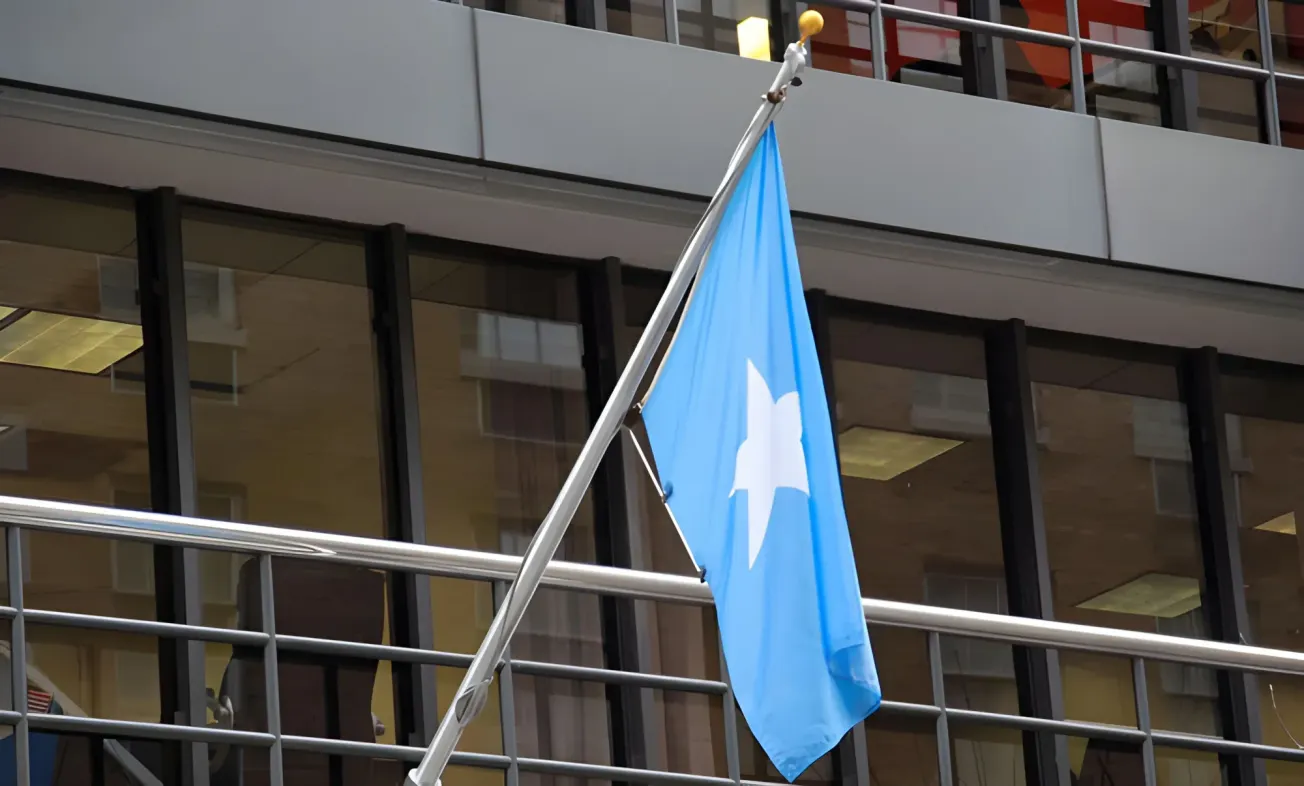
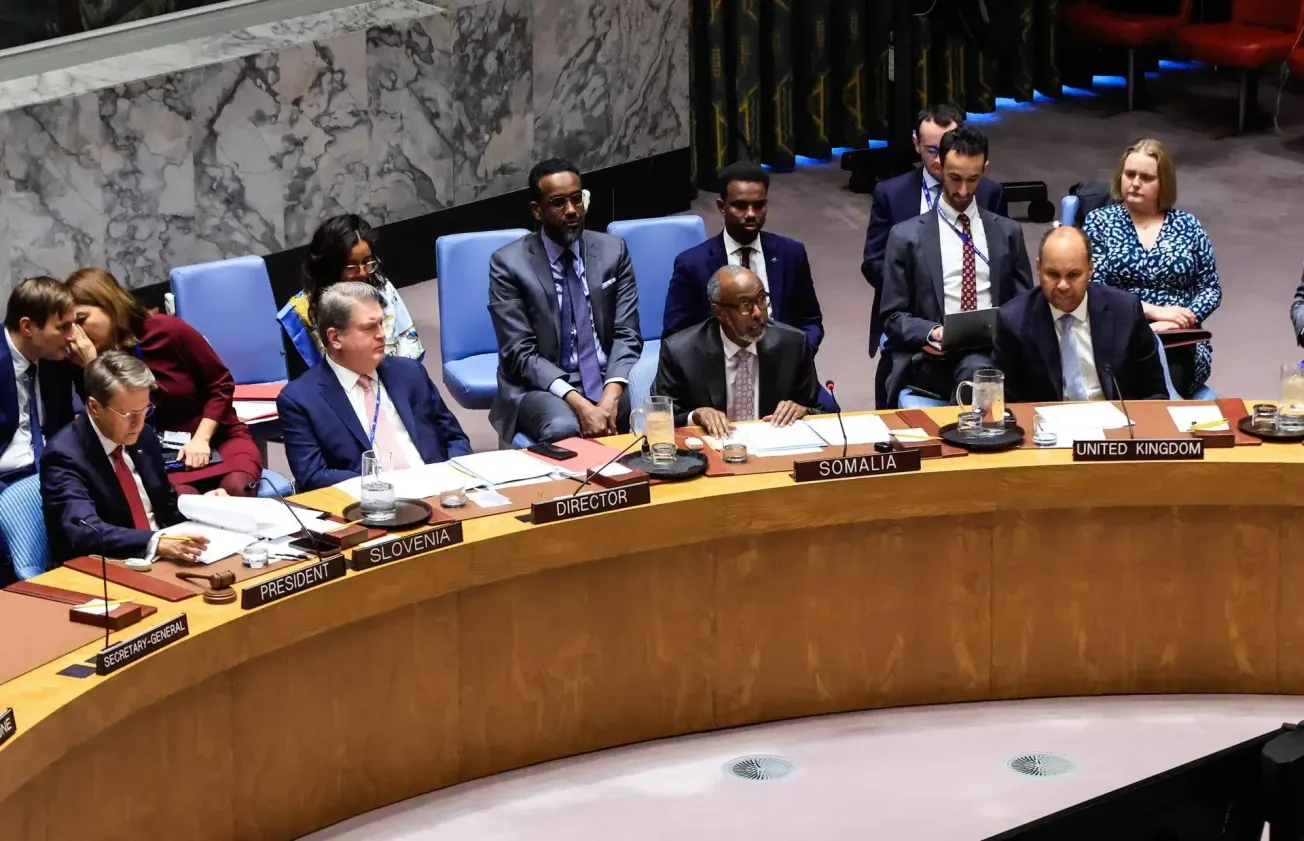
Somalia remains a single sovereign state under international law, notwithstanding decades of internal political disputes. Its territorial integrity is supported by the United Nations, the African Union, the Arab League and the Organization of Islamic Cooperation. More than 100 countries maintain diplomatic relations with Somalia, whose internationally recognized sovereignty cannot simply be divided according to the preferences of outside powers.
Under Somalia’s constitutional framework, foreign affairs and national defense fall within federal authority and no international legal arrangement can be made with constituent regions. Regional administrations cannot independently commit the Somali state to international military alliances.
This makes the map potentially misleading. It may capture perceived political sympathies or informal relationships, but it cannot establish sovereign diplomatic alignments. Even where regional leaders cultivate relationships with foreign governments, such contacts should not be confused with the legal authority to determine Somalia’s international position.
The broader strategic logic is nevertheless apparent. Israel faces a regional environment shaped by confrontation with Iran, competition among Gulf powers, maritime insecurity and shifting alliances. The Red Sea and Gulf of Aden have become increasingly important to this contest. Somalia’s coastline, its proximity to Yemen and its position along major shipping routes make the Horn of Africa strategically attractive to governments seeking influence beyond the Arabian Peninsula.
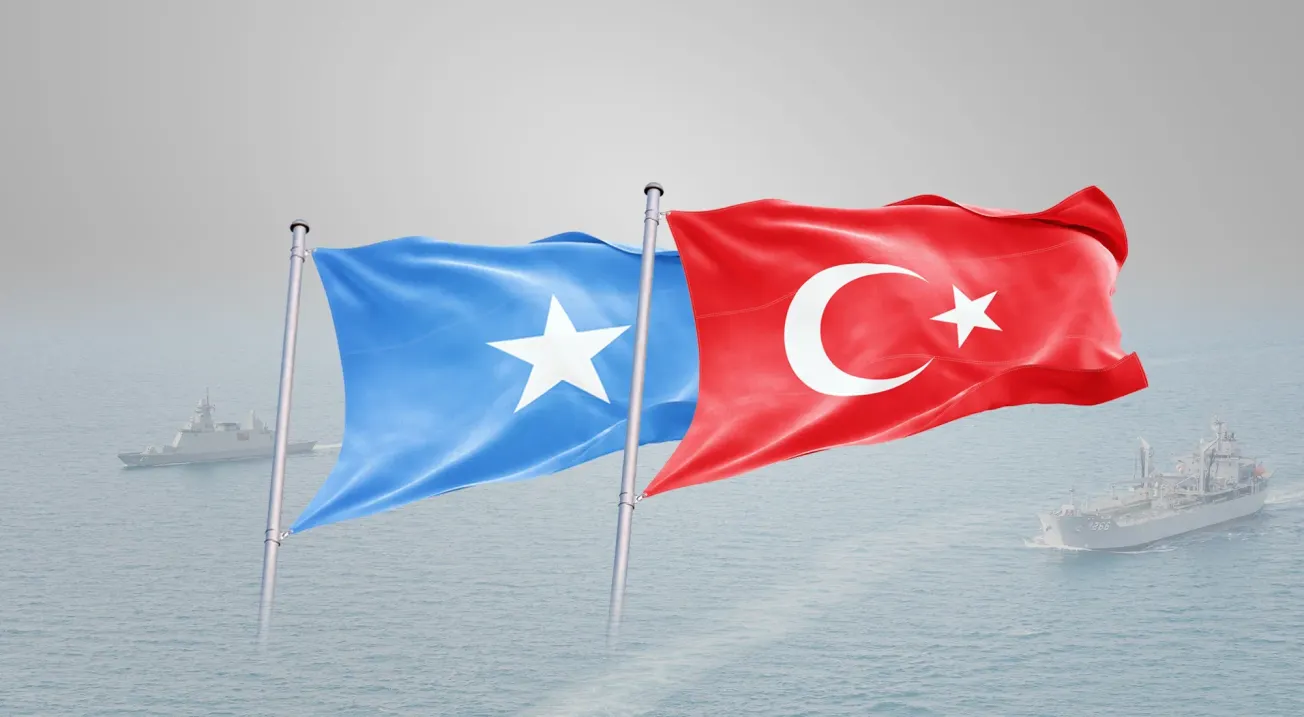
For Israel and the UAE, cultivating relationships around the Red Sea could offer strategic advantages, including maritime awareness, diplomatic partnerships and potential cooperation against hostile armed groups. Turkey, Egypt and other Middle Eastern powers have their own interests in Somalia, making the region vulnerable to competing external agendas.
Yet geography does not confer political legitimacy. Treating Somalia’s internal federal divisions as separate geopolitical constituencies risks encouraging external actors to bypass Mogadishu and deepen domestic tensions.
Netanyahu unveiled his doctrine just nine days before Israel’s October 27th parliamentary election, in which his leadership and security record are central issues. His strategy prioritizes pre-emptive military action, stronger domestic defenses, technological superiority, greater independence in weapons production and new regional alliances. It allows Netanyahu to present himself as the architect of a more assertive Israel.
His opponents are unconvinced. Yair Lapid dismissed the doctrine as superficial, comparing it to something produced by a free artificial-intelligence chatbot. Gadi Eisenkot, a former military chief and leading electoral challenger, accused Netanyahu of substituting campaign rhetoric for a serious examination of Israel’s security failures. Both argue that the government has failed to confront adequately the lessons of the October 7th, 2023 attacks.
The disagreement is not necessarily about military assertiveness. Much of Israel’s mainstream opposition also supports a confrontational approach towards Iran. Rather, the dispute concerns Netanyahu’s leadership, strategic credibility and the political use of national security. His presentation offers voters a vision of regional strength while his opponents seek to hold him accountable for past failures.
For Somalia, however, the consequences of such geopolitical cartography extend beyond Israel’s election. Maps that assign Somalia’s constituent territories to rival foreign camps can normalize the appearance of fragmentation, even without changing any internationally recognized boundary.
The danger is that Somalia becomes a strategic chessboard on which outside powers pursue their own rivalries while weakening the authority of its federal institutions. The Horn of Africa already faces enough internal political and security challenges without importing another layer of Middle Eastern confrontation. Netanyahu’s map may have been intended to illustrate Israel’s expanding strategic reach. Instead, it exposes an uncomfortable question: whether the search for new alliances will respect the sovereignty of countries caught between competing powers.