Table of Contents
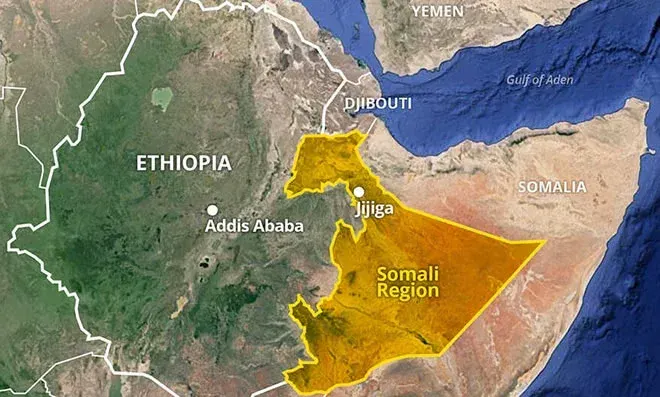
Renewed violence in Moyale, a strategic Somali border town between Ethiopia and Kenya, has once again come under from the Oromia region militias. Reports of armed clashes, burned homes, destroyed property, and civilians fleeing across the Kenyan border have raised serious concerns about the safety of Somali communities in Moyale and surrounding areas of Dawa Zone.
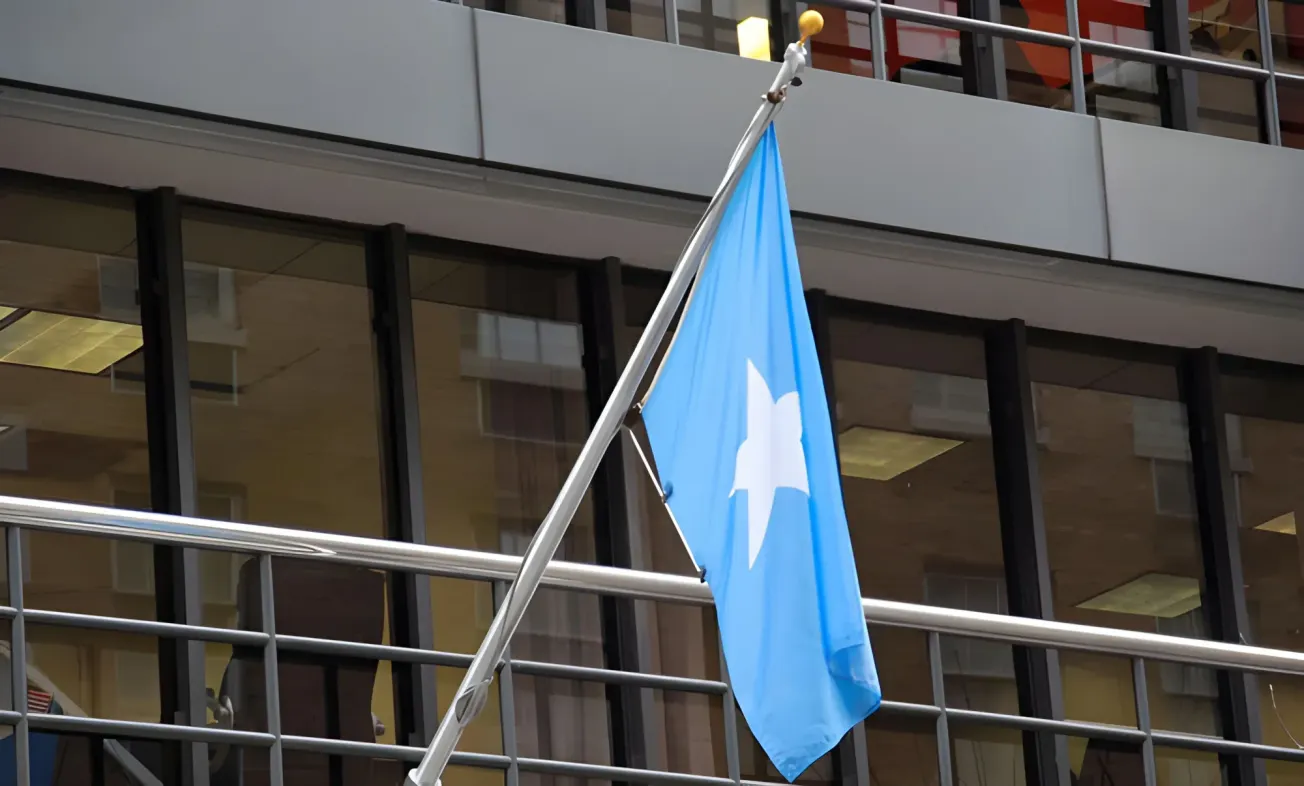
The latest confrontation, which escalated between October 18 and 23, reportedly began following a dispute over the Somali Regional State flag and the relocation of a Somali administrative office in Moyale. What initially appeared to be an administrative disagreement quickly deteriorated into armed violence involving regional security personnel and local armed groups. The killing of a 13-year-old girl further heightened tensions, triggering protests and subsequent confrontations.
For Somali residents, particularly members of the Garre community, the conflict represents more than a disagreement over a flag or government office. It reflects longstanding concerns about territorial encroachment, political representation, and the security of communities living along the Somali-Oromia regional boundary. Somali residents argue that their administrative presence in Moyale is legitimate and that attempts to challenge it threaten their established rights and regional jurisdiction.
The roots of the Oromia encroachment to Moyale extend back decades. Ethiopia’s 2004 referendum on contested territories between Oromia and the Somali Region was intended to clarify administrative boundaries. A subsequent agreement between the two regional governments in 2017 sought to resolve outstanding disagreements. Yet incomplete implementation, disputed territorial claims, and recurring confrontations have left communities vulnerable to renewed violence.
Tensions intensified again in 2025 following administrative restructuring by the Somali Regional State. The establishment of new administrative jurisdictions generated objections from Oromia-side actors. Somali communities, however, have maintained that regional administrative arrangements should not be interpreted as justification for armed interference or the displacement of civilians.
The latest fighting has produced alarming accounts of residential properties being set ablaze, businesses destroyed, and families forced to abandon their homes. Somali residents have accused Oromia-linked armed groups of attacking Garre neighborhoods and attempting to impose territorial control through intimidation and violence.
International reporting has confirmed significant civilian displacement, including families seeking refuge across the border in Kenya. The Kenya Red Cross has mobilized emergency assistance, while Kenyan authorities have reported stray bullets crossing the international boundary. Although the precise casualty figures and extent of destruction remain unclear, the humanitarian consequences are undeniable.
The Ethiopian federal government’s response raises important questions. Federal security forces reportedly intervened during the initial confrontation, but subsequent fighting exposed the limitations of existing mediation and security arrangements. As the constitutional authority responsible for managing disputes between regional states, the federal government must ensure civilian protection, impartial security enforcement, and a credible mechanism for resolving contested boundaries.
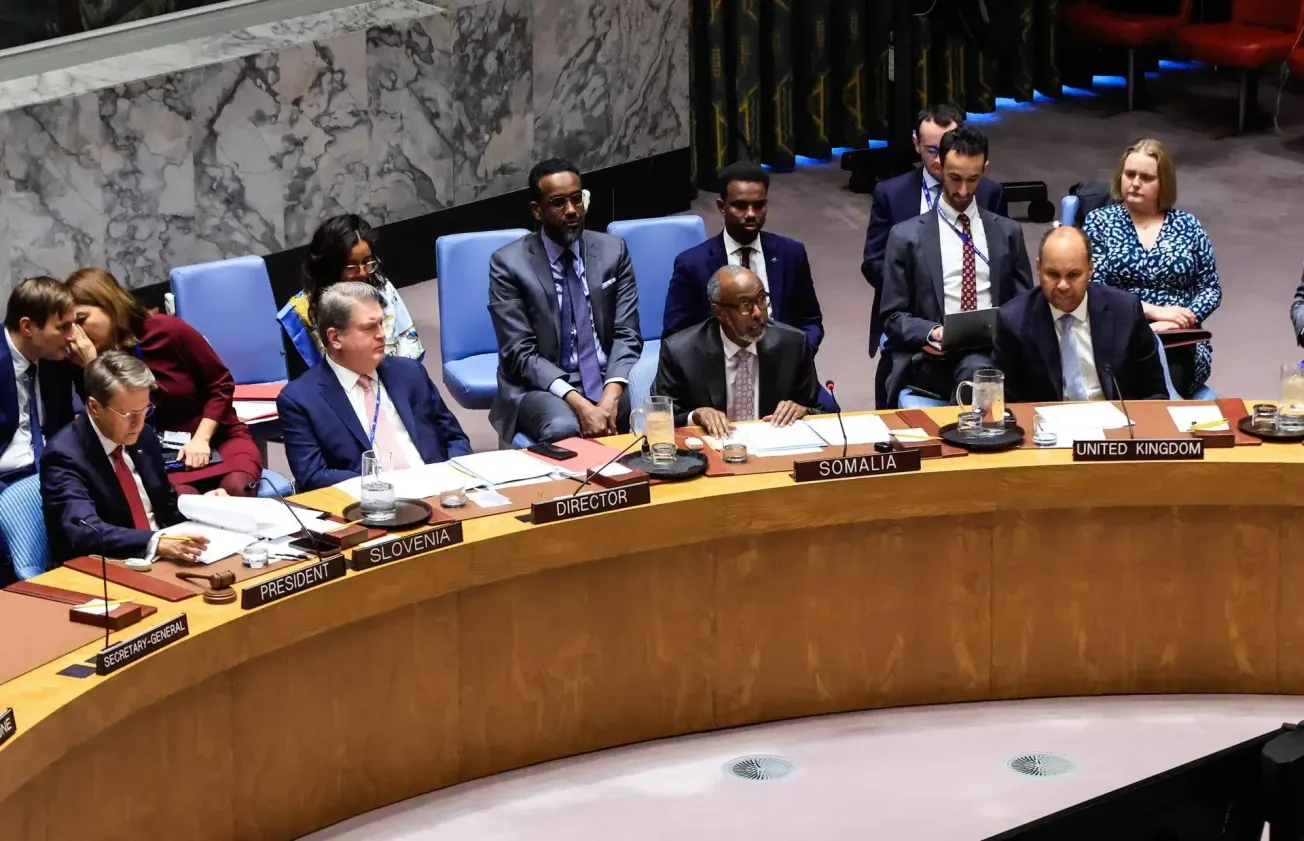
Equally concerning is the absence, as of October 23, of a publicly verified, comprehensive investigation into the latest violence. The Ethiopian Human Rights Commission, Amnesty International, Human Rights Watch, and relevant United Nations mechanisms should urgently examine developments in Moyale, with particular attention to five critical areas.
First, civilian deaths and injuries must be independently documented, including the circumstances surrounding the killing of the young girl and subsequent casualties. Investigators must determine whether civilians were deliberately targeted or harmed through indiscriminate attacks.
Second, the destruction of civilian property requires systematic investigation. Reports of burned homes, businesses, and administrative facilities should be verified, perpetrators identified, and any evidence of deliberate displacement or collective punishment examined.
Third, the involvement of regional security forces and militias must be established. Investigators should determine whether armed groups operated independently or under the direction, authorization, or support of regional officials.
Fourth, forced displacement and humanitarian access demand immediate attention. Families fleeing Moyale must receive protection, shelter, medical assistance, and guarantees that any eventual return will be voluntary and safe.
Fifth, government accountability must be central to the investigation. Federal and regional authorities should explain what measures they took to prevent the violence, protect civilians, and hold those responsible accountable.
Ultimately, Moyale’s crisis cannot be resolved through armed mobilization. Somali civilians have legitimate expectations of security, political representation, and protection from unlawful displacement.
The immediate priority must be ending the violence, protecting vulnerable communities, and establishing an independent investigation. A lasting settlement requires transparent boundary clarification, meaningful dialogue between the Somali and Oromia regional governments, and federal guarantees that territorial disputes will never again be settled at the expense of civilian lives.