Table of Contents
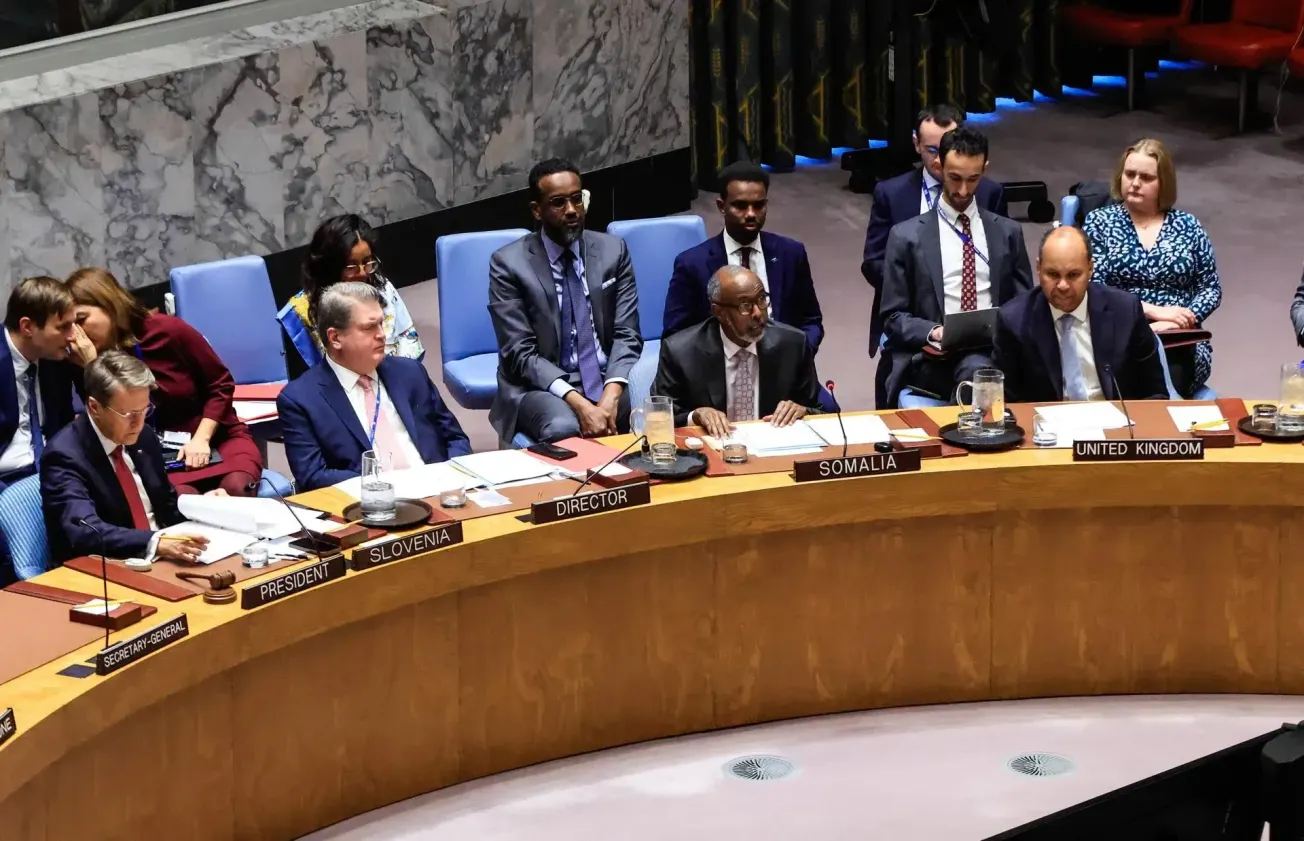
As Somalia’s political crisis deepens, diplomacy has entered an increasingly urgent phase. Public statements from the United Nations, the African Union, IGAD, the United States, the United Kingdom and other partners have remained measured. Behind closed doors, however, the message to both Villa Somalia and the opposition has become more direct. Diplomats increasingly fear that unless the political impasse is broken soon, Somalia could face a constitutional, security and governance crisis at the very moment international support is entering a period of uncertainty.
The international community continues to support Somalia’s ambition to hold one-person, one-vote elections. That objective itself is not being challenged. What diplomats are questioning is the path toward it. Their consistent message is that universal suffrage must be built on political consensus rather than unilateral implementation. Without agreement among the Federal Government, the opposition and key Federal Member States, many believe even a technically successful election would struggle to command national legitimacy.
The urgency has grown over the past two weeks as political tensions have become more visible on the ground. Reports from Somali political circles suggest that some figures within the Somali Future Council, the opposition coalition, are discussing preparations for armed resistance should negotiations collapse completely. Those reports remain unverified publicly, but they have added to diplomatic concerns that political confrontation could spill into armed conflict if dialogue fails.
Adding to the tension, the Somali Future Council this week reportedly sent a letter to countries contributing troops to the African Union Support and Stabilization Mission in Somalia, proposing the establishment of a transitional governing council if the election deadlock cannot be resolved. The reported appeal has generated considerable anger and controversy. Many Somalis have criticized the move as inviting external involvement in an internal political dispute, while reports also suggest the proposal has exposed differences within the opposition coalition itself.
Another flashpoint emerged in Galkayo, where Puntland accused the Federal Government of deploying forces in ways that threatened regional stability. Mogadishu has rejected suggestions that it is seeking confrontation, yet the dispute has reinforced concerns that relations between the Federal Government and Puntland remain fragile. Diplomats view renewed tensions between Mogadishu and Puntland as particularly dangerous because they risk widening an already difficult constitutional dispute.
Behind the scenes, mediation efforts have continued despite the collapse of earlier talks. International envoys remain engaged with both the Federal Government and the Somali Future Council, encouraging a return to substantive negotiations. According to credible Somali political reporting, diplomats have warned both sides that time is becoming a strategic factor and that prolonged deadlock carries increasing political and economic costs.
The recommendations reaching the Federal Government are becoming increasingly clear. Resume meaningful negotiations. Avoid relying solely on incumbency advantage to settle constitutional questions. Reach an agreed electoral roadmap before proceeding with national elections. Rebuild dialogue with Puntland and Jubbaland. Most importantly, convince political competitors that the rules governing the next election are accepted across the political spectrum rather than imposed by one side.
The opposition has received equally firm advice. Diplomats have urged opposition leaders to remain committed to negotiations, reject violence, avoid inflammatory rhetoric and present workable alternatives instead of simply rejecting government proposals. The prevailing view among mediators is that neither side can realistically expect total political victory and that compromise remains the only durable path forward.
The political pressure is now being accompanied by growing security and financial concerns. This month, the United States informed partners that it would no longer support continued United Nations financing for the African Union Support and Stabilization Mission in Somalia after the current arrangements expire. Although Washington cited broader concerns about the sustainability of international funding, officials also pointed to Somalia’s persistent political fragmentation and the slow pace of strengthening national institutions.
The diplomatic spotlight is also likely to sharpen with the congressional delegation and the visit this week of U.S. Congressman Darin LaHood. As a member of the House Permanent Select Committee on Intelligence and the House Select Committee on Strategic Competition between the United States and the Chinese Communist Party, LaHood is among the more influential Republican voices on national security in Congress. While he does not determine U.S. foreign policy, his views carry weight in congressional oversight and broader national security debates, particularly on counterterrorism and strategic competition. Observers expect his discussions in Mogadishu to emphasize that Somalia’s stability is not only vital for the Horn of Africa but also for U.S. national security, given the continuing threat posed by Al-Shabaab and the strategic importance of the Red Sea and Gulf of Aden.
At the same time, discussions over Somalia’s future security transition, possible reductions in external military support, and Washington’s broader reassessment of its engagement have reinforced a common message from the United States and other international partners. Somalia’s political deadlock is increasingly being viewed as a international security issue, not simply a domestic political dispute. As international partners review their long-term commitments, political reconciliation is becoming inseparable from future security cooperation.
Diplomats are increasingly concerned that the Federal Government appears determined to continue implementing its electoral roadmap despite mounting objections from the opposition and some Federal Member States. At the same time, Somali political reporting suggests that at least one senior figure within the Somali Future Council has begun mobilizing supporters from his regional base and is losing confidence in negotiations. While those reports remain publicly unverified, they have heightened concerns that, unless meaningful progress is made soon, political brinkmanship could give way to a far more dangerous confrontation.
Whether those warnings translate into political compromise now rests squarely with Somalia’s leaders. Diplomats can encourage dialogue, mediate disputes and recalibrate international support, but they cannot negotiate on behalf of the parties themselves. As security assistance comes under greater scrutiny and political tensions continue to rise, many believe the coming weeks may prove decisive in determining whether Somalia returns to the negotiating table or enters a more unpredictable and dangerous phase.