Table of Contents
A European Union-backed naval workshop in landlocked Ethiopia might ordinarily attract little attention. But in the increasingly combustible Horn of Africa, even technical cooperation carries geopolitical consequences. A four-day maritime-security workshop in Addis Ababa, concluding on October 29th, risks becoming an example of how Europe’s well-intentioned assistance can aggravate precisely the regional tensions it seeks to contain.
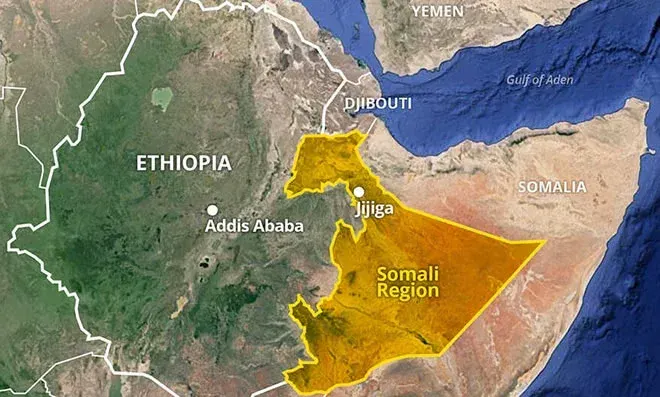
Hosted by Ethiopia’s navy and concluded on October 29, the gathering brought together maritime representatives from Djibouti, Yemen, Oman, and Somali regions of Puntland and Somaliland. Somalia’s federal government was notably absent from the published list of participants. The stated agenda concerned search-and-rescue operations, information sharing and maritime coordination. Yet the composition of the gathering raises a more consequential question: did Brussels adequately consider the political implications of supporting such an initiative?
The optics are difficult to dismiss. From Mogadishu’s perspective, an internationally funded naval gathering that includes Somaliland and Puntland but does not identify federal Somali representation risks appearing to legitimize direct dealings with regional authorities over the central government’s head. Whether Somalia was invited remains unclear. But diplomatic sensitivities do not disappear simply because an initiative is labelled technical cooperation.
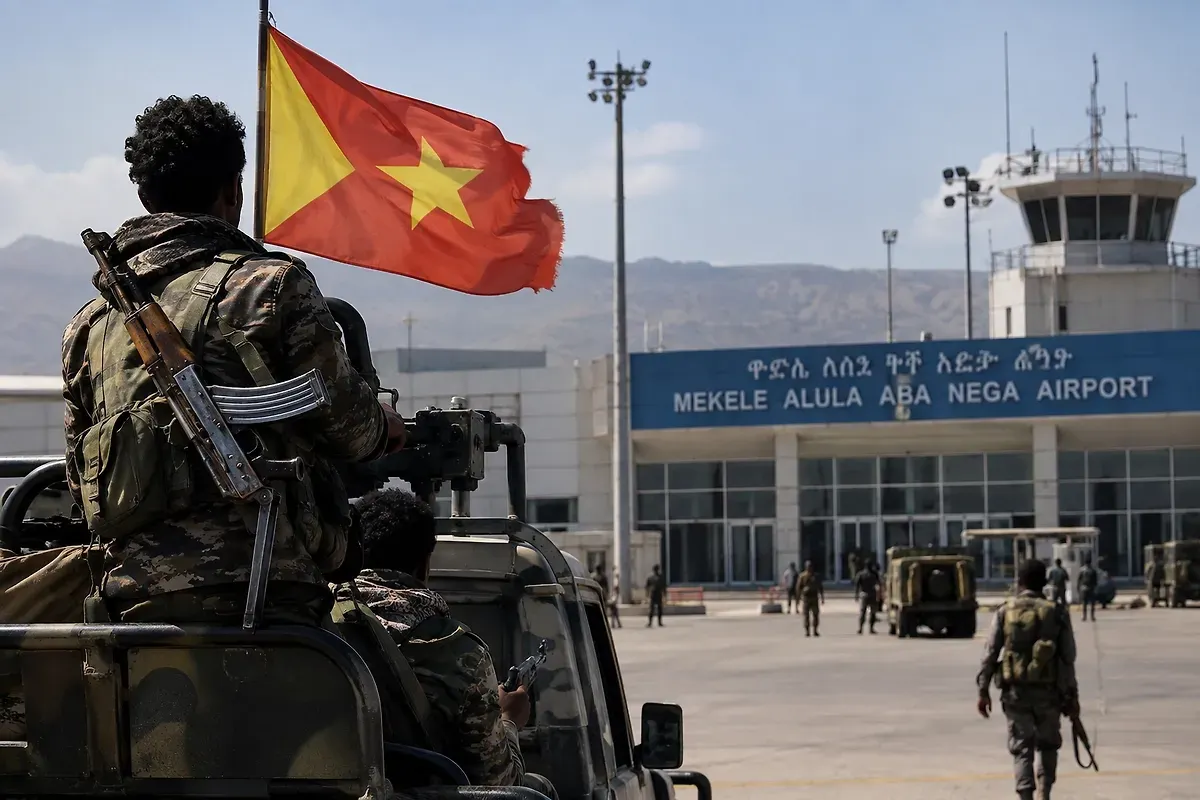
For Ethiopia, the benefits extend beyond improving maritime safety. Addis Ababa is rebuilding its navy while openly pursuing greater access to the sea. Hosting foreign maritime commanders enhances their standing as a regional security actor, strengthens institutional relationships, and potentially improves its leverage in future negotiations over ports and naval facilities.
Europe may or may not intend to advance these ambitions. Nevertheless, the distinction between maritime capacity building and strategic empowerment becomes blurred when assistance strengthens the institutions and networks of a country whose maritime aspirations are already generating regional anxiety.
The timing makes the initiative particularly sensitive. Relations between Ethiopia and Eritrea have deteriorated amid disputes over Red Sea access and mounting mutual suspicion. Eritrea regards Ethiopian ambitions concerning its coastline, particularly Assab, as a potential threat to its sovereignty. Against this backdrop, EU-supported engagement with Ethiopia’s navy could be interpreted in Asmara as strengthening a military institution whose future purpose remains contested.
Such perceptions matter regardless of Brussels’ intentions. Eritrea need not believe that Europe explicitly supports Ethiopian territorial ambitions to conclude that European assistance could indirectly enhance Addis Ababa’s capabilities. In a region already characterized by military mistrust, that distinction may offer little reassurance.
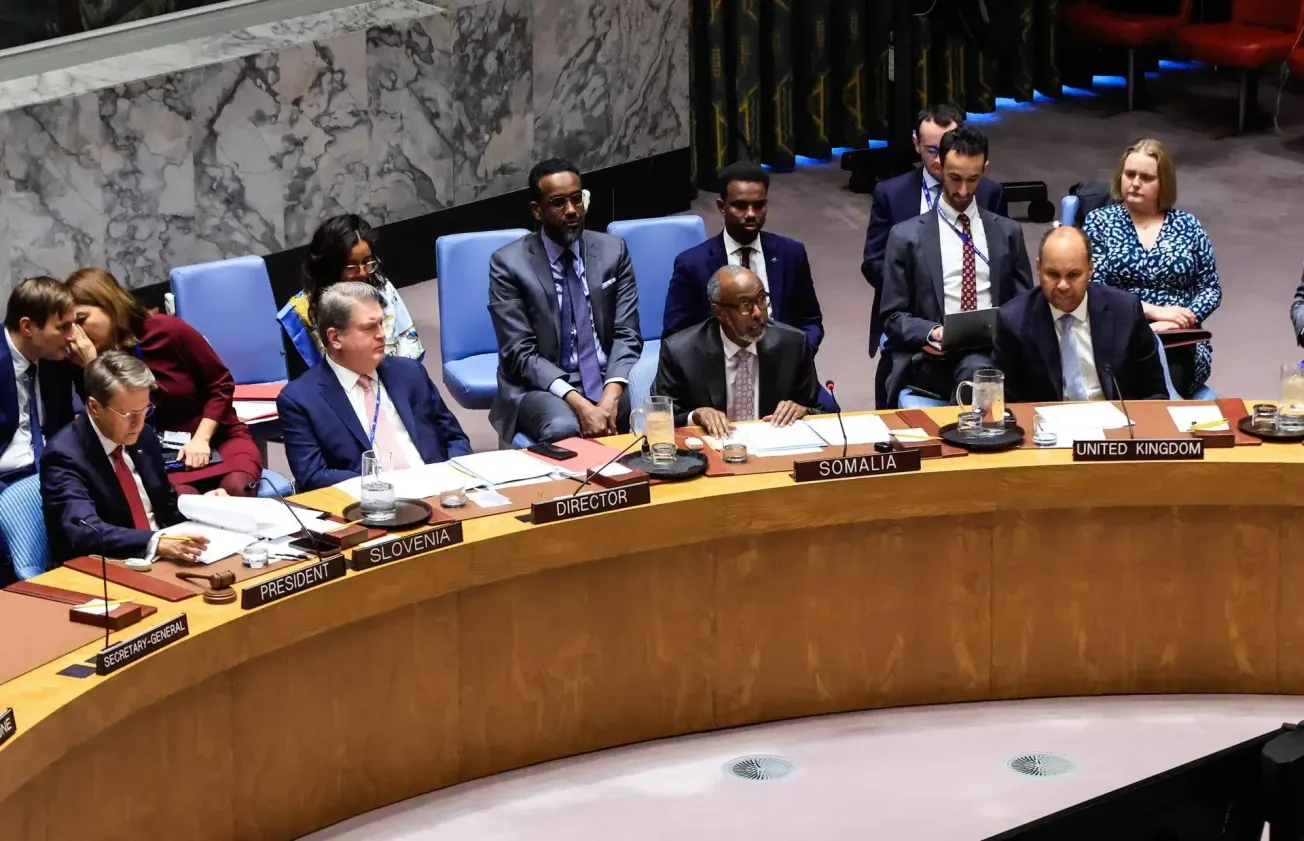
Somalia faces a parallel concern. Ethiopia’s pursuit of maritime access through Somaliland has already strained relations with Mogadishu. An EU-supported initiative involving Somaliland and Puntland, without clearly identified federal participation, risks reviving suspicions that international partners are accommodating arrangements that weaken Somalia’s authority over its territory and maritime affairs.
What, then, was Brussels calculating? Did European officials assess how the workshop’s participants, host institution and political timing would be perceived in Mogadishu and Asmara? Were the potential diplomatic consequences weighed against the operational benefits? And what safeguards ensure that EU-supported maritime cooperation does not become an indirect source of military or political advantage in ongoing sovereignty disputes?
These questions cannot be answered merely by invoking capacity building, regional cooperation or information sharing. Such terms describe program objectives, not their wider consequences. In fragile geopolitical environments, the distribution of technical assistance can influence power relationships, confer legitimacy and alter strategic calculations.
Nor does the workshop establish that the EU deliberately sought to sideline Somalia or strengthen Ethiopia’s territorial ambitions. Somalia has participated in other EU-supported maritime initiatives, and Brussels formally supports its sovereignty and territorial integrity. The concern is less one of demonstrated intent than of whether adequate political due diligence accompanied the funding and organization of this particular event.
That distinction is important. A failure to anticipate foreseeable consequences can be damaging even without an intention to produce them. Maritime-security programs do not operate in a political vacuum. Their effects depend on who hosts them, who participates, which institutions benefit and how neighboring governments interpret the resulting relationships.
Europe has substantial interests in protecting Red Sea shipping and preventing instability around the Gulf of Aden. But these interests are poorly served if security assistance becomes another source of suspicion among regional rivals. A program that improves coordination at sea while undermining confidence between neighboring governments may ultimately complicate the security objectives it was designed to advance.
Brussels should therefore clarify the workshop’s invitation process, the extent of its oversight and the political-risk assessments undertaken before supporting the gathering. It should also explain how assistance to Ethiopia’s naval institutions is kept distinct from the country’s contested ambitions for military access to the sea.
The larger danger is one of strategic complacency. Ethiopia may regard maritime cooperation as an opportunity to strengthen its regional position. Somalia may perceive a challenge to federal sovereignty. Eritrea may see another indication of Ethiopia’s expanding naval ambitions. Europe, meanwhile, may believe it is simply financing a technical exercise.
In the Horn of Africa, those interpretations can coexist, with destabilizing consequences. The question for Brussels is not only what its money was intended to achieve, but whether it sufficiently considered what others might do with the capabilities, relationships and political signals its assistance helps create.