Table of Contents
Ethiopia is again at war with itself. Nearly four years after the Pretoria agreement ended a devastating conflict in Tigray, federal and Tigrayan forces are fighting across several fronts. What began as months of military build-up, drone strikes and mutual accusations has become the most serious test yet of a peace that never settled the disputes beneath it. The danger now extends beyond Tigray. A renewed Ethiopian civil war could collide with the country’s deteriorating relationship with Eritrea and destabilize much of the Horn of Africa.
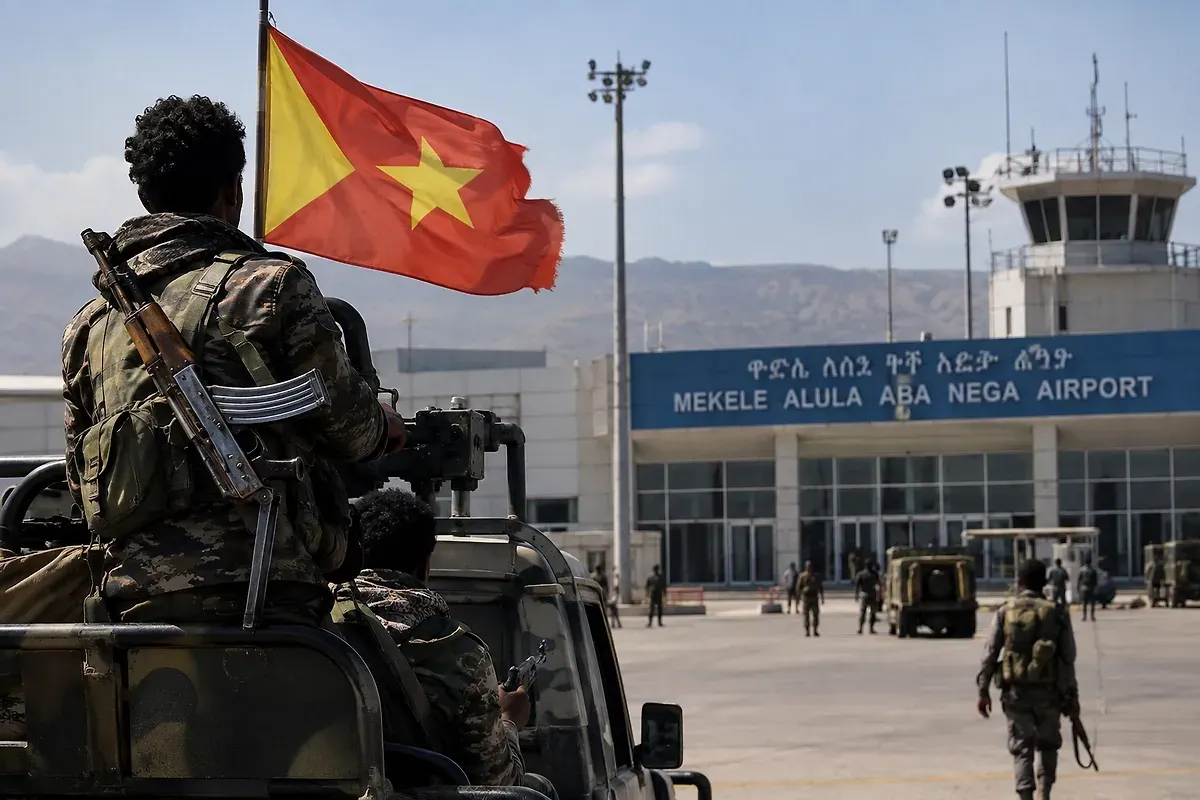
The immediate escalation came on September 23rd, when Tigrayan forces seized the airports at Mekelle, Axum and Shire and detained federal personnel. Fighting has since spread into neighboring Afar and Amhara. Flights to Lalibela, the historic town in Amhara, were suspended as combat approached. Telephone and internet services across Tigray have also been severely disrupted, reviving memories of the isolation that accompanied the war of 2020-22.
Both sides blame the other. Tigrayan leaders say they are fighting a defensive war after federal military pressure, including drone attacks and deployments around Tigray. Addis Ababa says the Tigray People’s Liberation Front, or TPLF, launched a coordinated offensive. Independent verification remains difficult, particularly as communications deteriorate. The United Nations says fighting is expanding along several fronts and has expressed concern about drone warfare and civilian casualties.
This war would not resemble the last one. In 2020 Abiy Ahmed’s federal government fought the TPLF with help from Eritrea and Amhara forces. Those alliances have largely unraveled. Fano fighters in Amhara subsequently turned against the federal government, while relations between Addis Ababa and Eritrea deteriorated sharply. Former enemies are consequently discovering that opposition to Mr Abiy can be more powerful than old grievances.
Seven-armed organizations recently announced the Ethiopian Peoples’ Forces Alliance for Survival, an anti-government coalition including the TPLF, the Amhara Fano National Movement and the Oromo Liberation Army. The alliance says it seeks to remove Mr Abiy’s government. Yet its cohesion should not be exaggerated. Tigrayan and Amhara forces fought bitterly only a few years ago and still dispute territory, particularly western Tigray. Their present cooperation is tactical as much as political.
Eritrea makes this realignment considerably more dangerous. President Isaias Afwerki was once Mr Abiy’s indispensable ally against the TPLF. Today their governments regard each other with growing suspicion. Ethiopia accuses Eritrea of supporting armed opponents of the federal government. Eritrea denies doing so. Analysts nevertheless point to increasingly close contacts between Asmara and Ethiopian rebel movements, while some assessments also allege Eritrean material assistance.
Behind their quarrel lies the Red Sea. Landlocked Ethiopia has increasingly demanded reliable maritime access. Eritrea fears that Ethiopia’s ambitions could eventually extend to Assab, its strategically important port. Ethiopian rhetoric suggesting that another northern war could alter strategic realities has therefore caused alarm in Asmara. Claims circulating online that particular Ethiopian generals have explicitly threatened to redraw international borders should, however, be treated cautiously unless independently authenticated.
The result is an extraordinary reversal. Eritrea and the TPLF, mortal enemies during the previous war, may now find themselves with a common adversary in Addis Ababa. Fano, which fought alongside federal and Eritrean forces against Tigray, is meanwhile cooperating with Tigrayan forces against the federal government. Ethiopia’s conflicts increasingly resemble overlapping wars of convenience rather than two stable camps.
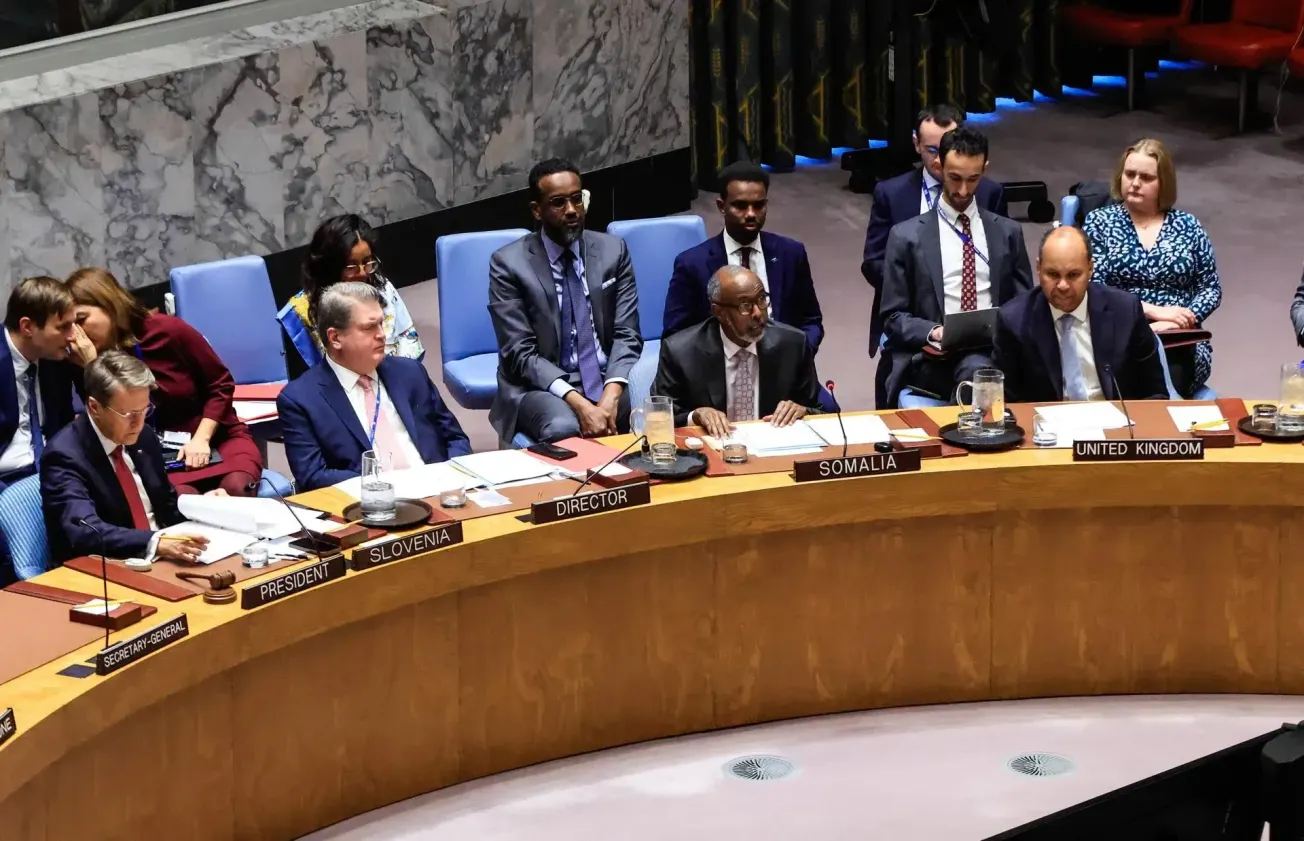
The African Union is sufficiently alarmed to have called for immediate de-escalation and warned Ethiopia’s neighbours against actions that could worsen the conflict, language widely understood as particularly relevant to Eritrea. It has dispatched former Nigerian president Olusegun Obasanjo, a central mediator of the Pretoria agreement, to revive negotiations. The UN has likewise warned against actions that could produce a broader and more devastating conflict.
For now, there are two different thresholds. The first has already been crossed: serious warfare between Tigrayan and federal forces has resumed. The second has not. Ethiopia and Eritrea are not yet openly at war.
Whether that distinction survives may determine the Horn’s immediate future. An Ethiopian strike inside Eritrea, confirmed Eritrean intervention in Ethiopia, or a major expansion of fighting towards the international frontier could transform a renewed civil war into an interstate conflict. Conversely, successful mediation could still contain it. The coming days will show whether Pretoria has merely fractured or finally collapsed.